
Table of Contents
Advantages of Inflatable Waterproof Tents
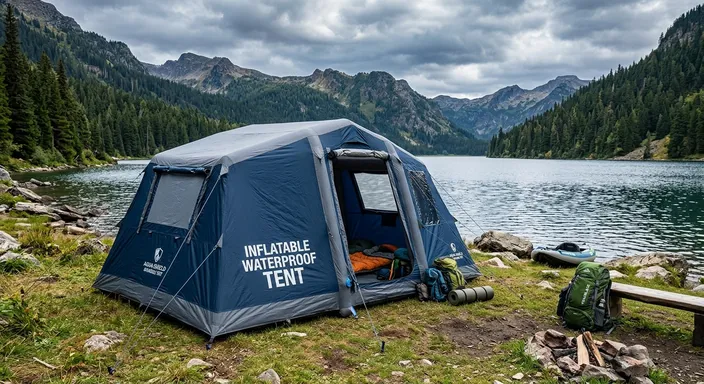
When it comes to outdoor adventures, having reliable shelter is essential. An inflatable waterproof tent stands out as a modern solution that combines convenience, durability, and weather resistance. Unlike traditional tents that require poles and complicated assembly, inflatable tents use air beams to provide structure, making setup quick and straightforward. This feature allows campers to spend less time wrestling with tent poles and more time enjoying their surroundings.
One of the key benefits of an inflatable waterproof tent is its exceptional ability to keep occupants dry in wet conditions. The materials used are designed to repel water efficiently, often rated to withstand heavy rainfall. Additionally, the inflatable structure enhances the overall stability of the tent, ensuring it can endure strong winds without collapsing. This makes these tents ideal for camping trips in unpredictable weather, providing peace of mind to outdoor enthusiasts.
Beyond weather protection, inflatable tents are notably lightweight and compact when deflated, easing transportation and storage challenges. Their portability is particularly advantageous for hikers and bikers who must minimize the weight of their gear. Despite being lightweight, these tents do not compromise on space or comfort. Many models offer ample headroom and internal space, making them suitable for families or groups seeking a comfortable camping experience.
Setting Up and Maintaining an Inflatable Waterproof Tent
Setting up an inflatable waterproof tent is a straightforward process that even novice campers can master quickly. The primary step involves unrolling the tent and connecting the air pump, which inflates the beams to create the tent’s structure. Unlike traditional stakes and poles, the air beams require minimal manual effort and can be inflated within minutes. This easy setup is especially useful after a tiring day on the trail, where campers want to conserve their energy.
Maintaining an inflatable waterproof tent involves a few simple steps to ensure longevity. After each use, it is crucial to dry the tent thoroughly before packing to prevent mold and mildew buildup. Storing the tent in a cool, dry place also preserves the integrity of the inflatable materials. Occasionally, users should inspect for punctures or air leaks; these can typically be repaired with patch kits included with the tent. Proper care extends the lifespan and maintains the tent’s effectiveness.
In addition, cleaning the tent regularly helps maintain its waterproof properties. Dirt and debris can clog the fabric’s protective layer, reducing its ability to repel water. Gently washing the tent with mild soap and water and avoiding harsh chemicals can keep the waterproof coating intact. If the waterproofing seems diminished over time, applying a reproofing spray can restore the tent’s performance in wet conditions.
Why Choose an Inflatable Waterproof Tent for Your Next Trip
Choosing an inflatable waterproof tent for your next outdoor adventure offers numerous practical benefits compared to traditional tents. Its combination of stability, weather resistance, and rapid setup time makes it ideal for campers who value efficiency and comfort. The durable materials and waterproof qualities ensure the tent protects you reliably against the elements, whether you’re camping in light drizzle or a heavy storm.
Moreover, the innovative design of inflatable tents reduces the risk of injury or damage during setup and breakdown. Traditional tents require rigid poles that can break or snap back unexpectedly, sometimes causing harm. Inflatable tents eliminate this hazard, as they rely solely on pressurized air beams, which are soft and flexible. This makes them particularly suitable for families with children or less experienced campers who might find conventional tents intimidating.
Furthermore, the growing popularity of inflatable waterproof tents is supported by advancements in kit technologies and materials. Manufacturers continuously improve designs to maximize usability and comfort, including features like multiple vents for airflow, UV-resistant fabrics, and reinforced seams for durability. As a result, these tents are becoming a smart choice for a wide range of outdoor enthusiasts—from weekend campers to serious backpackers seeking reliable, innovative gear for their trips.


