
Table of Contents
Roof Tent Car Setup for Your Event
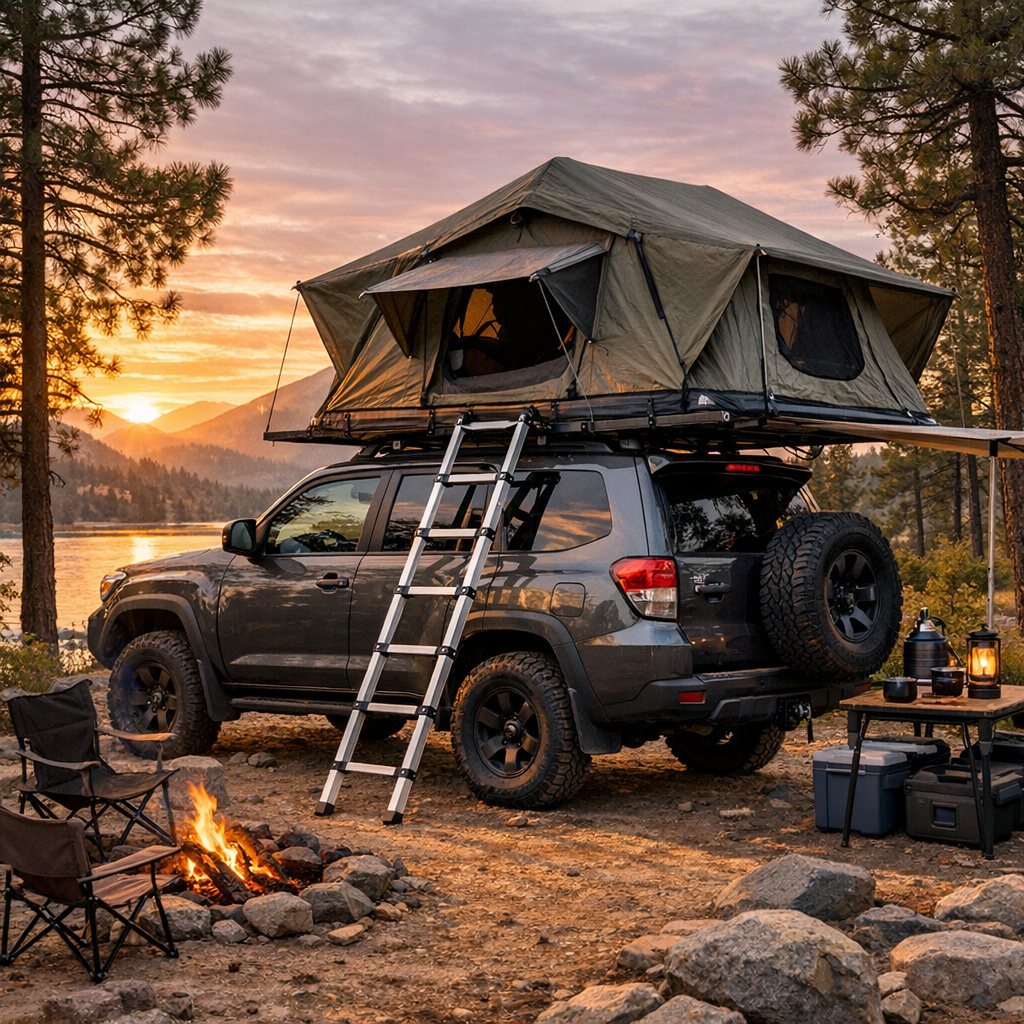
Selecting a roof tent car for an event isn’t just about picking a popular model or something that looks good in photos. It’s important to think about the actual logistics of your events and the environments you’ll be working in. A roof tent car is very practical for mobile setups, but it needs to fit the vehicle type and the terrain you’ll be navigating. If the car can’t handle rough roads, the added weight and height of a roof tent can become a liability rather than an asset.
Think about the size and weight capacity of the vehicle’s roof. Not all cars are created equal, and some might handle tent loads better than others. The material of the roof rack or mounting system also plays a big part—steel racks offer sturdiness but add substantial weight, whereas aluminum or composite racks might be lighter but less robust for heavy usage. Practical experience shows that overstressing a roof rack leads to quicker wear and potential safety hazards during transit.
Your choice should also reflect the kind of events you’re supporting. For outdoor festivals with uneven grounds or camping expos, SUVs or pickups with roof tents work well. For urban settings, a smaller hatchback with a compact roof tent might be more maneuverable and less intrusive in tight spaces. Always evaluate how easy it is to install and remove the tent. A cumbersome system can slow down setup and tear down for fast-paced events.
Planning for Weather and Shelter Needs
Roof tent cars offer quick shelter, but they’re not a one-size-fits-all solution under every weather condition. Rain, wind, sun, and even temperature swings have a significant impact on usability. Most roof tents are designed with durable, waterproof fabrics and robust frames, but experience points out that the sealing and ventilation details matter the most.
If you’ve dealt with a roof tent car in windy conditions, you know a weak anchoring system can turn the tent into a safety risk. Some tents come with guy lines and additional stakes, but you need to account for windy climates by choosing tents with sturdier poles and reinforced corners. Condensation inside the tent can also be a problem for multi-day events. Make sure the tent’s ventilation system allows airflow without letting rain or dust in.
Temperature control is another consideration. Roof tents will often be more exposed to the sun and cold than ground tents, so think about fabrics and insulation. Reflective materials on the outer canopy can reduce heat buildup, and adding extra liners or pads inside helps in colder events. A common mistake is assuming that a roof tent automatically provides comfortable shelter; it’s really the specifics of how it’s built and used that matters.
Balancing Comfort and Practicality for Long Events
When planning longer stays or multi-day events, comfort inside a roof tent car becomes a big factor. These tents usually come with built-in mattresses, but not all are created equally. Cheaper or thinner mattresses can leave attendees or staff waking up sore, which impacts morale and energy.
Space is another real concern. Roof tents are compact by design, but the internal dimensions can vary widely. If you plan on using the roof tent car for a team or more than one person, look for models with extra headroom or slide-out awnings to extend living space. Options like side windows, insect screens, and easy access ladder systems make a big difference in daily experience.
Consider how easy it is to stow gear inside or alongside the roof tent. Some users have reported frustration with limited storage space for personal items or professional equipment, especially when working outdoors for extended periods. Pair your roof tent car with modular storage boxes or attachable awnings to increase the usable area and keep things dry and organized.
Maintenance and Longevity of Roof Tent Cars in Professional Use
Durability and maintenance are worth thinking about early on, especially if your business relies on repeated use of a roof tent car. Frequent mounting, exposure to weather, and moving between locations can cause wear and tear faster than expected.
Fabric should be easy to clean and resistant to mold or UV damage. Canvas tents tend to be more breathable but require more care to prevent mildew, while synthetic fabrics might offer better water resistance but less breathability. Zippers and seams are also common weak points; replacing or repairing them can be expensive and time-consuming if you don’t plan ahead.
The mechanical parts—hinges, ladders, and snaps—should be inspected regularly. A stuck ladder or broken hinge isn’t just inconvenient; it’s a safety issue. Regular lubrication and occasional professional servicing prolong the kit’s life, which in turn protects your investment. Keep in mind that roof tents mounted on cars increase aerodynamic drag, so this affects fuel consumption and can accelerate wear on the vehicle’s roof structure over time.
Transport Considerations: Height, Weight, and Fuel Economy
Adding a roof tent to your car isn’t just a matter of extra camping space; it significantly changes the vehicle’s profile. When loading up a roof tent car, always factor in the change in height and weight, especially if your events require travel through urban areas with low clearances like parking garages or under bridges.
Weight distribution impacts how the car handles on the road. A heavier load high up can increase the risk of rollover in sharp turns or sudden stops. Cars with higher centers of gravity require careful driving, and you should always check the manufacturer’s max load capacity on the roof before mounting a tent.
Fuel economy inevitably takes a hit. The added drag from the roof tent can reduce mileage notably, which means higher travel costs over long distances. Planning routes with this in mind can reduce unnecessary expenses. Also, ensure the roof tent is properly secured; any flapping fabric or loose fittings cause more drag and can lead to premature wear.
Being mindful of these transportation factors helps avoid surprises and keeps your logistics running smoothly, especially when moving between multiple event sites on tight schedules.


