
Table of Contents
Rooftop Car Tent for Varied Terrains
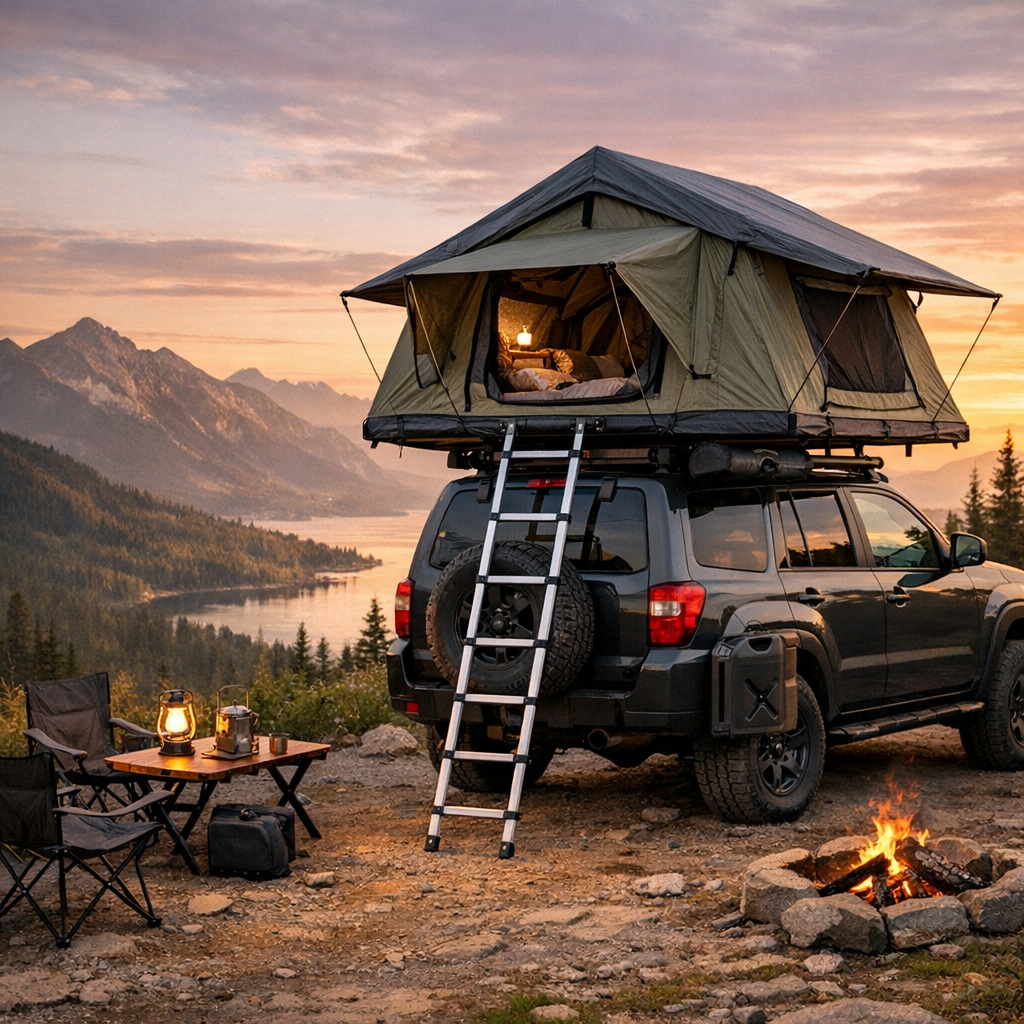
Picking a rooftop car tent isn’t just about grabbing the flashiest model or the lowest price tag. The terrain where your customers will set up matters a lot. Rocky or uneven ground reduces the need for ground tents but puts focus on the rooftop design and mounting system. For example, if your clients host outdoor events in mountainous regions, the rooftop car tent must offer solid wind resistance and secure attachments to counter strong gusts.
On flatter, softer ground, basic roof racks may suffice, but in harsher landscapes, investing in reinforced mounts or brackets made from anodized aluminum or heavy-duty steel pays off. Brands supplying rooftop car tents often vary widely in how they approach support structures, so it’s useful to examine specifications closely. Also, remember that some roof tents come with adjustable legs or lower anchoring points that can stabilize the setup regardless of the terrain, but the trade-off is usually higher weight and more complex installation.
Practical Considerations for Roof Rack Compatibility
When helping clients narrow down rooftop car tent options, understanding their existing vehicle racks is key. Not every rooftop car tent will fit all roof racks or crossbars. Weight capacity is often the limiting factor—most cars have roof load limits around 150-220 pounds, including the weight of the tent itself plus occupants inside. This means a bulky rooftop car tent might need a sturdier aftermarket rack.
The trouble with assuming “universal fits” arises when mounts don’t align or when crossbars are too narrow. Some rooftop car tents require a minimum bar width or height for proper clamping. Also, the shape and material of the rack bars affect the ease and safety of mounting. Square or elliptical bars usually give better grip than round ones. Open channels in some bars also help mount clamps more securely, but that needs checking.
If a client’s fleet includes different vehicle models, recommending rooftop car tents with adaptable mounting systems saves hassle. But adaptable usually means extra parts and more installation time, so balance convenience with cost and complexity.
Weight vs. Space: What Customers Need to Know
Weight is almost always the elephant in the room with rooftop car tents. Heavy tents offer more robust construction and often more insulation and features, but excessive weight can impact fuel economy and vehicle handling, especially on smaller cars or SUVs.
Space-wise, rooftop car tents generally save floor area compared to ground tents, but the interior living space is limited by the footprint on the car roof. Some tents fold out into spacious interiors with room for two or three people, but bigger tents are heavier, bulkier to mount, and raise the center of gravity for the car. That raises safety considerations for your clients, especially those who drive on winding roads or require careful load management.
A common compromise is to recommend mid-sized rooftop car tents that balance usable interior space with lighter build materials like ripstop nylon combined with aluminum framing. For event planners managing multiple vehicles, uniform rooftop car tents of moderate weight ease logistics and speed deployment.
Weather Protection and Ventilation Needs
A rooftop car tent might face demanding weather conditions—rain, wind, sun—and buyers need to weigh features accordingly. Waterproof coatings are essential, but look beyond the basic waterproof rating. Many tents are waterproof when new but degrade without proper care, especially if the tent’s seams aren’t sealed well.
Ventilation is tricky because good airflow reduces condensation buildup overnight, but increasing ventilation often means having mesh panels exposed, which can allow cold drafts or pests in. Clients using rooftop car tents in cold climates might prefer insulated liners or detachable screens, while those in hot regions benefit from tents with multiple ventilation windows and UV-resistant fabrics.
Trade-offs here depend on usage patterns. Event planners working summer festivals demand quick dry times and good airflow, while outdoor distributors who supply rooftop car tents for adventure rentals need durable fabrics that stay waterproof after rough use.
Installation Time and User-Friendliness in High-Use Environments
In scenarios where rooftop car tents are frequently set up and taken down, ease of installation becomes as important as the tent’s durability. Some tents incorporate gas struts or spring-assisted mechanisms for quick unfolding, while others rely on manual labor that service staff might find tedious.
For event planners or distributors renting tents, reducing installation complexity saves time and labor costs. However, quick setups sometimes come at the expense of higher initial cost or slightly increased weight. These tents often have fewer attachment points or simpler mounting clamps which may impact how securely they hold up in bad weather.
Clear installation instructions and compatibility with common toolkits also add to user-friendliness. Clients should also be advised to periodically inspect mounting hardware and tent fabrics because frequent use accelerates wear on hinges, straps, and zippers.
Maintenance and Longevity: What Keeps Rooftop Car Tents Ready
Keeping a rooftop car tent in good shape over time takes some attention to maintenance. Unlike ordinary ground tents, rooftop versions often combine rigid components like aluminum frames with flexible fabrics. Dirt, moisture, and UV exposure all speed up material wear.
Regular cleaning with mild soap and water, avoiding harsh chemicals, protects waterproof coatings and fabric integrity. Storage when not in use is key: tents should be dried completely before packing away to prevent mold or mildew buildup. For suppliers, offering tips on seasonal care can reduce customers’ future support calls and improve brand reputation.
Check metal parts for rust or loose fittings, especially if the vehicle has been parked near the ocean or in areas with heavy road salt use. Replacing worn straps or refreshing seam sealants can extend lifespan more than replacing the entire tent.
Choosing quality rooftop car tents with durable components might cost more upfront but pays off over years of service, especially for professional buyers handling frequent rentals or events.
Rooftop car tents provide a unique solution linking mobility with comfort, but understanding the practical trade-offs and customer needs helps select the right product each time. From terrain demands to installation ease, these tents thrive when chosen with real-world use in mind rather than just specs on paper.


