
Table of Contents
The Rise of Outdoor Tents Inflatable Technology
Outdoor tents inflatable have revolutionized the camping and event industries over the past decade. Unlike traditional tents that require poles and laborious setup, inflatable tents use air beams to provide structure, making the setup process incredibly quick and simple. Enthusiasts and professionals alike appreciate how inflatable technology minimizes setup time while enhancing stability and weather resistance. This innovation has broadened the audience for camping and outdoor adventures, attracting even those who were previously hesitant due to the complexity of setting up traditional tents.
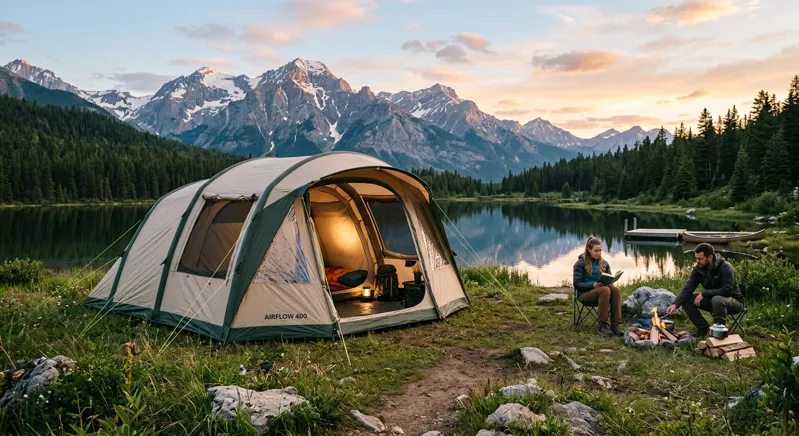
The design flexibility of inflatable outdoor tents allows manufacturers to experiment with unique shapes and larger sizes that were once impractical. These tents often feature integrated air tubes that can be inflated in just a few minutes with an electric or battery pump. This ease of use makes them ideal for families or groups who wish to spend more time enjoying the outdoors rather than struggling with tent poles. Additionally, the redundancy provided by inflatable beams means if one beam gets punctured, the tent can remain standing while a repair kit is applied.
Not only are outdoor tents inflatable designed for recreational purposes, but their applications extend to emergency services, festivals, and promotional events. Because they can be rapidly deployed and deflated, they are perfect for temporary shelters or mobile workspaces. This adaptive use case adds immense value to event organizers and disaster relief teams, highlighting the versatility of inflatable tent technology.
Materials and Durability Factors in Inflatable Outdoor Tents
The materials used in outdoor tents inflatable are crucial to their performance and longevity. Modern inflatable tents typically use high-strength polyester fabrics coated with polyurethane or similar compounds to ensure water resistance and UV protection. These coatings help maintain the tent’s integrity under various weather conditions, from heavy rain to intense sun exposure. Additionally, the fabric’s breathability is enhanced with mesh panels to maintain airflow and reduce condensation inside the tent.
One of the notable challenges with inflatable outdoor tents is balancing the lightweight nature of the materials with durability. Advances in fabric technology have led to the creation of materials that are both resilient and lightweight, making these tents easier to carry on hiking or camping trips. Reinforced seams and abrasion-resistant floors further contribute to the tent’s lifespan, ensuring that adventurers can rely on their inflatable shelter through multiple seasons and terrains.
However, users should remain vigilant about potential punctures. Small sharp objects or rough surfaces can damage the inflatable beams if precautions are not taken. Many tent manufacturers include repair kits that allow users to quickly patch leaks, preserving the hartiness of the structure while out in the field. Proper storage and maintenance also play an essential role in preventing unnecessary wear and tear on inflatable tent materials.
Practical Tips for Using and Maintaining Inflatable Tents Outdoors
Setting up an outdoor tents inflatable is generally straightforward, but there are best practices to optimize this process. Before heading out, it’s advisable to check the air pump’s battery levels or bring backup power options if you rely on electric pumps. Finding a flat, clear area free of sharp stones or sticks mitigates the risk of punctures during inflation. Uneven ground can also place undue stress on the air beams, so selecting the right campsite is crucial for tent longevity and comfort.
During use, it’s essential to avoid overinflating the air beams. Manufacturers typically provide recommended pressure levels or user-friendly indicators to prevent damage from excessive air pressure. Monitoring inflation and deflating a small amount if the tent feels overly rigid helps maintain the structure’s balance and flexibility. When windy conditions occur, additional guy lines or tent stakes should be used to ensure stability without compromising the inflatable beams.
Cleaning and storing outdoor tents inflatable correctly can extend their usability significantly. After each trip, the tent should be cleaned with mild soap and water to remove dirt and debris that might degrade the fabric. Completely drying the tent before storage prevents mold and mildew growth, which can weaken the materials. Folding the tent systematically and storing it in its original bag or a protective case keeps it safe from accidental damage during transport or periods of inactivity.


