
Table of Contents
The Practical Benefits of an Inflatable Hospital Tent
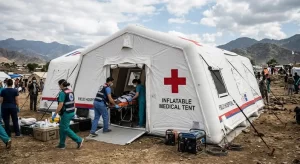
Inflatable hospital tents offer a flexible solution for medical facilities facing sudden surges in patient volume. These tents can be rapidly deployed in emergency situations, providing additional space for treatment without the need for permanent construction. Their portability makes them ideal for disaster zones, where traditional infrastructure may be compromised or insufficient.
Another significant advantage is the ease with which these tents can be sanitized and maintained. Unlike traditional hospital buildings, inflatable tents use materials that are designed to withstand rigorous cleaning protocols. This helps reduce the risk of infection spread, ensuring a safer environment for both patients and healthcare workers.
The cost-effectiveness of inflatable hospital tents is also notable. Building permanent additions to hospitals is often expensive and time-consuming. In contrast, these tents can be set up quickly at a fraction of the cost, providing temporary yet fully functional medical spaces that meet healthcare standards.
Design Features and Customization Options
Inflatable hospital tents come in various sizes and configurations to accommodate different medical needs. They can be outfitted with essential medical equipment, electricity, climate control, and even partitioned zones for patient privacy. This adaptability enables healthcare providers to create tailored environments suited to specific treatments or isolation requirements.
One design feature that distinguishes these tents is their rapid inflation mechanism. High-quality air pumps or blowers can inflate the structure within minutes, ensuring minimal downtime during setup. Additionally, the robust outer fabric is usually weather-resistant, providing protection against rain, wind, and temperature fluctuations.
Customization options often include integrated lighting systems and multiple entry points to facilitate patient flow and emergency access. These features enhance operational efficiency and contribute to a more organized and effective healthcare delivery in temporary environments.


