
Table of Contents
Inflatable Car Tent for Different Environments
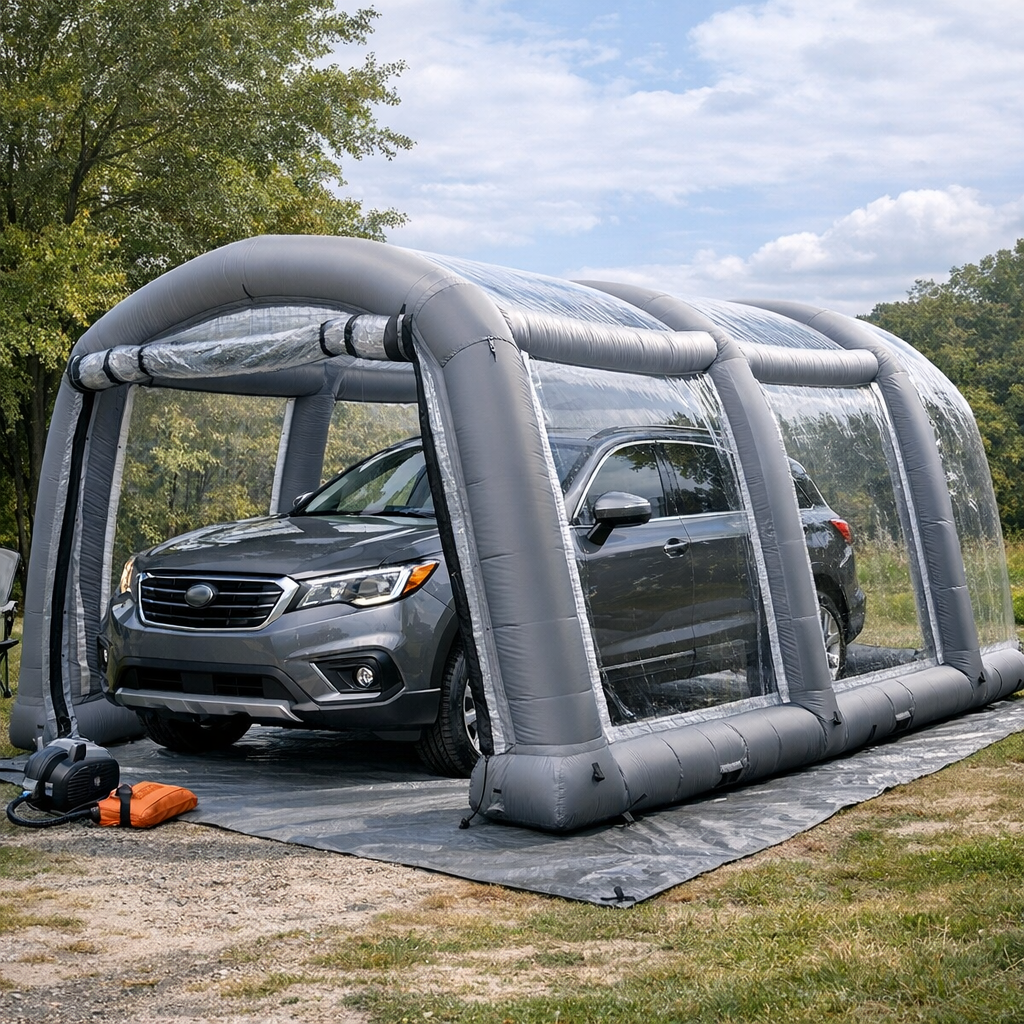
Every job site, event, or retail space brings unique challenges when sheltering vehicles. An inflatable car tent can seem like a straightforward solution, but material choice, frame strength, and size requirements often differ depending on where you plan to deploy them. For outdoor events, UV resistance and waterproofing become critical, especially if you expect variable weather conditions. Indoors, you might prioritize ease of setup and whether the tent can fit through narrow entries or congested aisles.
You will want to assess the intended environment carefully, because tents geared towards harsh outdoor exposure typically carry heftier materials or heavier-duty inflatables. This can impact transport and the overall weight of each unit. On the other hand, tents designed for indoor use might favor thinner, lighter materials that inflate faster and fold down compactly for storage, but they won’t hold up as well under strong wind or rain. Matching the product design to environmental demands ensures you’re not swapping convenience for durability—or vice versa—without realizing it upfront.
Managing Set-Up Time and Labor for Inflatable Car Tents
Time is money, especially when events run on tight schedules or multiple locations need equipment on short notice. Inflatable car tents offer the advantage of rapid setup compared to traditional frame tents, but this isn’t automatic. Pump size, inflation methods, and tent dimensions all influence how quickly your team can get the shelter ready.
Some models require electric pumps, which means you’ll need power access close by. Battery-operated or manual options may reduce that dependency but at the expense of longer inflation times or more manual effort. Additionally, larger inflatable car tents typically take twice as long to inflate. If you’re managing multiple units, consider how this scales and whether your staff is trained to handle the specific models. Mistakes in the process can cause damage or undertake excessive repair costs down the line.
You might find that a slightly smaller tent that inflates in half the time is more practical than a large, cumbersome model that ties up your crew for hours. Balancing portability, manpower, and set-up speed is crucial for the smooth operation of any event or job requiring tents.
Space Constraints and Storage Considerations for Inflatable Tents
One overlooked factor is how an inflatable car tent behaves once it’s deflated. Unlike rigid frame structures, these tents don’t store as bulky, but the overall storage size can be deceptive. The material’s thickness, air-tight seams, and built-in air channels mean some models end up quite dense and heavy, demanding more warehouse space or special handling to avoid punctures during storage.
For businesses needing frequent transport, the packed volume and the weight can affect vehicle choice and cost. Overpacking or improper storage can impact the tent’s lifespan, especially if it develops leaks or seam failures. When selecting inflatable car tents for resale or event rentals, it’s worth comparing both the inflated footprint and the packed size. Smaller packed volumes often go hand in hand with reduced setup times because the components are easier for staff to manage.
Storage environment also matters. A cool, dry area with protection from rodents and sharp objects translates into fewer repairs and longer usability. Planning your storage logistics with the actual tent size and material durability in mind will pay off in reduced downtime and maintenance costs.
Balancing Visibility and Branding Opportunities on Inflatable Car Tents
Promotional tents need to do more than just protect vehicles; they are an extension of your brand and a crucial part of any event’s visual impact. Inflatable car tents typically come with large, smooth surfaces, which offer great potential for high-quality logos and graphics.
However, the material’s texture and how it holds print can vary widely. Some fabrics accept ink well and maintain vibrancy over multiple uses, while others may fade quickly under sunlight or get scratched from contact during packing. This impacts the professional appearance and can affect brand perception at events.
Tents with removable or interchangeable graphics panels provide flexibility but add some complexity and expense. If you manage events for multiple clients or brands, this might be a worthwhile trade-off. Conversely, single-brand tents are cheaper upfront but limit versatility.
Another factor: the level of air pressure inside the tent can slightly distort printed surfaces when inflated. Ensuring your graphics are designed to account for this stretching effect avoids a distorted look, which can reflect poorly on the brand no matter how good the overall setup is.
Maintenance and Repair Realities of Inflatable Car Tents
Understanding the wear and tear of inflatable car tents is critical to avoid unexpected costs. While these tents are generally sturdy, they rely on airtight seams and proper inflation to maintain their form and protective qualities. Punctures, seam failure, or valve damage are the most common issues users face and can happen during setup, weather exposure, or transport.
Repairs require either patch kits or professional service depending on the severity and material type. Some repairs can be done in the field with basic supplies, but extensive damage often means downtime and potentially expensive replacement.
Cleaning is often an afterthought but equally important. Dirt and debris can wear down materials, and mildew can develop if tents are stored damp. Using mild detergents and avoiding abrasive cleaning tools extends the life of your inflatable car tents.
If you’re managing a fleet of these tents, building a simple checklist for inspection, cleaning, and repair right after each use can prevent small issues from turning into costly disasters. Training staff on minor repairs and proper storage procedures is an investment that pays dividends over time.


