
Table of Contents
Size of Car Tent for Different Vehicle Types
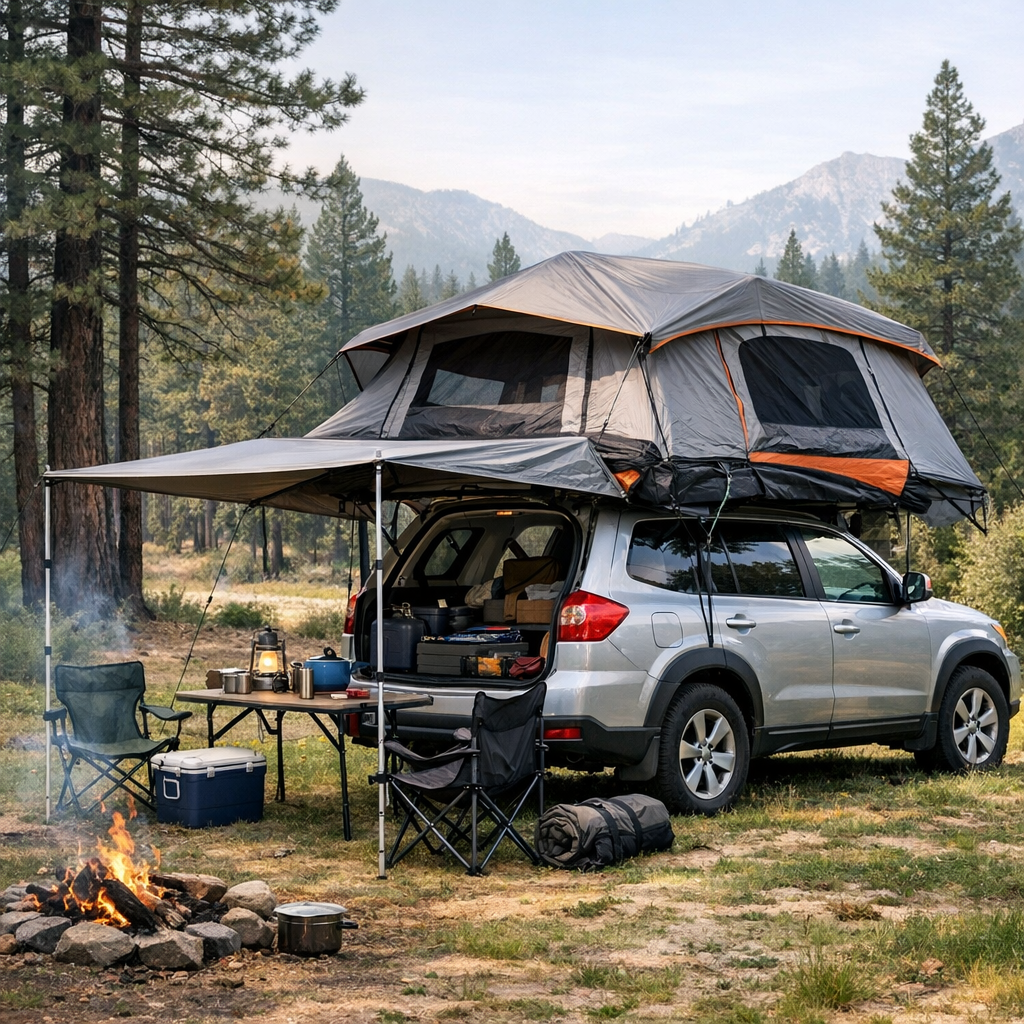
When selecting a car tent, one of the first challenges is matching the tent size to the vehicle. Sizes vary widely, and picking the wrong dimensions can lead to frustration. For a compact car, a bulky tent designed for trucks might feel overwhelming and difficult to set up. Meanwhile, an SUV or pickup requires more space, especially if the tent covers the bed or cargo area.
Think about the type of vehicle most of your clients manage. Do they work primarily with sedans, or are full-size SUVs and trucks the standard? For fleet events or giveaways targeted at tradespeople, tents accommodating larger vehicles might be essential. On the other hand, if the majority of the vehicles are smaller, a more streamlined, easy-to-assemble car tent may be better.
Considering the height and extensions of the tent is important as well. A tent that’s too low can cause scraping or damage when opening car doors or tailgates. Sometimes the solution is a modular tent that adjusts height or adds awnings, but remember that these features typically add complexity and cost—not always ideal for quick events or high-volume distribution.
Weather Conditions and Material Choices for Longevity
The durability of a car tent largely depends on the material used and the weather conditions it needs to endure. Using thin, lightweight fabric might seem convenient for transporting and setting up, but such materials often fail quickly under harsh sun, heavy rain, or high winds. On the flip side, heavy-duty vinyl or polyester canvas offers better protection but adds weight and might require two people for installation.
Event planners working in regions with unpredictable weather must consider tents that offer a balance of weather resistance and portability. UV-resistant coatings can prevent fabric from fading while maintaining flexibility, which is a critical detail. Waterproof ratings matter too—look beyond marketing jargon to actual test data on water resistance.
Frame material plays a role, too. Aluminum frames are lightweight and resistant to corrosion, ideal for repeated use outdoors, but they may flex under pressure. Steel frames add robustness but can rust if not treated properly. One trade-off to watch out for is the cost impact versus the expected lifespan; cheaper tents may require more frequent replacement, leading to higher long-term expenses.
Practical Setup and Storage Considerations for Event Planners
For event planners juggling multiple activities and locations, setup time and ease are crucial when choosing car tents. Some models come with quick-release mechanisms or pop-up designs that can be deployed in minutes by a single person. Others might require several people and tools, making them less flexible when time is tight or labor is limited.
Storage also becomes an issue after the event. Tents with oversized, rigid poles tend to require dedicated storage space and careful handling to avoid damage. Folding or sectional poles reduce storage hassle but may compromise on stability.
The balance between robustness and portability is often a sticking point. For instance, a tent that collapses into a compact bag might be more appealing for a distributor who needs to ship multiple units frequently. Conversely, a tent requiring more space but offering extra sturdiness might be preferred when long-term static usage is planned, such as at permanent or recurring trade shows.
Consider your crew’s capacity for setup and breakdown, storage limits, and transport logistics before making a choice. Sometimes the “best” car tent isn’t the most durable or deluxe model but the one that fits smoothly into your workflow.
Branding Opportunities with Customizable Car Tents
Car tents offer valuable branding real estate for clients looking to maximize visibility during events. But customization isn’t always straightforward. Screen printing on fabric works well for simple designs, but intricate logos or multiple colors might need digital printing or high-quality applique.
Also, not every material takes branding equally well. Some fabrics absorb dye better, while others may require laminates or heat transfers that can raise costs or affect flexibility. The placement of logos and messaging impacts visibility too; sides are common, but roofs are often overlooked even though they can be seen from balconies or drones.
Timeliness also matters. Customization might extend production lead times significantly, particularly for large orders or when using non-standard colors and complex print techniques. Distributors and planners must communicate these realities with clients to avoid last-minute disappointments.
Another factor is the durability of printed logos in outdoor conditions. A well-printed logo can fade quickly under strong sun or rain exposure, so using fade-resistant inks or protective coatings is often worth the investment. If repeat events or long-term displays are in the plan, this pays off in sustained brand impact.
Compliance and Safety Considerations During Setup
Many forget that car tents need to comply with safety standards and local regulations, especially at public or large-scale events. Fire-retardant materials might be mandatory in some venues, and the tent’s anchoring system often needs to meet specific criteria to withstand wind loads.
Planners should verify fire safety certifications like NFPA 701 or equivalent, ensuring the chosen car tent meets venue requirements. Non-compliance can result in fines, event cancellations, or increased insurance costs.
Anchoring methods must suit the location. Soft grounds permit stakes, but concrete or asphalt calls for weighted anchors or water barrels. Incorrect setup risks damage—not just to the tent or vehicle but also injuries to attendees.
It’s advisable to train staff or subcontractors on tent installation protocols. Many accidents occur because setup crews underestimate the need to secure tents properly or overestimate their ability to handle strong gusts. Including simple but clear SOPs in your event materials reduces these risks considerably.
Maintenance Tips to Extend the Lifespan of a Car Tent
Maintenance is often overlooked but crucial to protect the investment in a car tent. After every event, tents should be cleaned according to manufacturer guidelines to remove dirt, sweat, and potentially corrosive residues like bird droppings or tree sap.
Drying tents completely before storage prevents mold and fabric deterioration. Avoid folding tents when damp or storing them in poorly ventilated spaces. Regularly inspect frame joints and fabric seams for signs of wear or damage, repairing small issues early to prevent bigger failures.
Lubricating moving parts and protecting metal frames from rust with a light coating of oil or corrosion inhibitors goes a long way toward longevity. Some event rental companies schedule proactive inspections between uses, setting aside tents for repair or refurbishment rather than risking failure on site.
These habits might seem tedious but save money and headaches down the road. A well-maintained car tent will provide consistent performance and professional appearance—two aspects critical for clients who rely on their event equipment to reflect their brand and operational standards.


