
Table of Contents
Car Tent for Different Vehicles
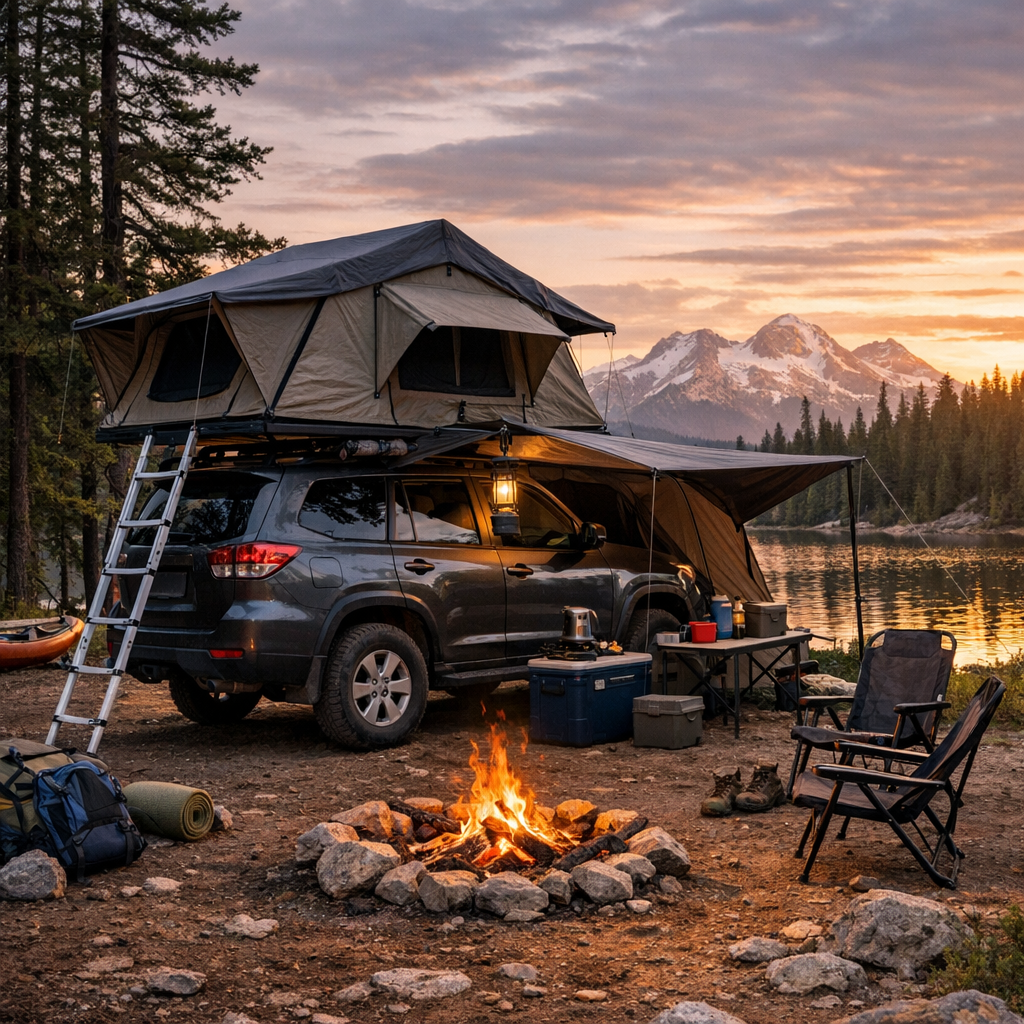
Car tent camping isn’t a one-size-fits-all scenario, which can trip up planners who assume a tent labeled for “car use” will just fit any vehicle. The dimensions and shape of your car heavily influence which tents will work well and which will cause frustration. For example, SUVs and trucks offer more attachment points and vertical space than sedans or hatchbacks, altering the type of shelter you can secure safely.
When advising clients, it’s crucial to gauge the vehicle footprint and consider how accessible doors, tailgates, and windows remain when the tent is installed. Some tents attach via magnetic strips along the rooftop or sides, while others use straps hooked on wheels or bumpers. A tent that demands anchoring to a roof rack, for instance, isn’t always compatible if the vehicle lacks sturdy load bars.
Beyond fit, think about ease of set-up once the client arrives on site. Bulky frames and complex tie-downs might be reasonable if camping conditions are stable, but less practical for quick, on-the-go stops. Smaller or inflatable tents can be easier but might compromise durability and weather protection, which can be more critical for certain event planners scheduling multi-day outdoor activities.
Balancing Weather Resistance and Ventilation in Car Tent Camping
One key trade-off when selecting tents for car tent camping lies between weather resistance and ventilation. Solid walls and fewer mesh panels improve protection from wind, rain, and insects—something paramount in unpredictable climates or forested event locations. However, sealing a tent too tightly can trap heat and condensation inside, especially when the vehicle’s engine is off, or in warm weather.
Clients often underestimate how humid and stuffy these enclosed spaces become overnight, leading to discomfort and potential gear moisture issues. Tents featuring adjustable windows or removable mesh inserts offer more breathable environments but at the cost of less robust shelter in adverse weather.
For event planners managing large outdoor groups, flexibility can be key. It’s helpful to stock options with modular panels that attach or unzip depending on conditions. Understanding the local climate, expected overnight temperatures, and potential for rain will guide the decision around which tent models to lease or recommend.
Managing Space Constraints and Interior Comfort
Car tent camping inherently relies on a limited footprint around the vehicle, which influences how occupants organize their gear and sleep comfortably. Unlike traditional tents pitched in open spaces, these tents hug the contours of the car, often resulting in narrower floor space.
Some tents sacrifice floor area for extra headroom, using taller frames or extending over the roof. But that can make setup more time-consuming and stable anchoring more challenging. Others keep a low profile for quick assembly but may require users to crouch or sleep on improvised bedding.
Event buyers gearing up for family-oriented gatherings or multi-person tents should weigh the number of attendees against the anticipated duration of stays. For example, a trade show crew’s tent might prioritize quick access and frequent entry/exit over long-term comfort; meanwhile, an outdoor workshop requiring overnight sleep will demand more livable space.
Another factor is storage—especially when the tent has limited vestibule space, organizers need to think about stashing backpacks, gear bags, or promotional materials safely without obstructing walking paths or exits.
Durability: Where Lightweight Meets Practicality
Durability often conflicts with the desire for lightweight, portable tents. In the event and promotional rental market, products that balance these two traits tend to last longer and reduce replacement costs. Thinner fabrics and cheaper poles might seem attractive for shipping or compact storage, but they tend to falter under UV exposure, wind gusts, or heavy rain.
For repeat clients renting equipment seasonally, it’s vital to assess whether a tent can withstand cumulative wear from transport, assembly, and outdoor exposure. Materials like ripstop nylon or polyester with coatings repel water and resist tearing better than untreated textiles.
Maintaining a fleet of tents means planning for repairs or having spare parts on hand. Poles can bend or break, zippers jam, and flysheet coatings degrade over time. Advising buyers to inspect gear after every use and store it dry prevents early failure.
Accessibility and Versatility for Diverse Event Types
Event buyers often face the challenge of acquiring car tents adaptable to a variety of functions. One weekend, it might be a promotional kiosk for a new product launch; the next, a shaded break spot or even overnight shelter for staff or VIP guests.
Because car tent camping merges vehicle use with tent functionality, modular features that serve multiple roles add value. Snap-on walls, removable floor mats, or awning extensions can transform a basic shelter into a versatile space suited for standing demos, casual meetings, or private rest.
Customization options also affect transport and storage logistics. Bulky tents that fold into large cases require larger vehicles and more warehouse space, influencing operational costs.
Integrating branding or company logos on tent fabric is another consideration, especially for promotional events. Materials must accept printing or appliqué without compromising tent integrity or weather resistance. Additionally, ease of cleaning is crucial since outdoor rentals tend to pick up dirt and stains quickly.
Having a range of car tent options tailored for various setups helps event planners stay agile, avoiding overcommitment to one style that may be unsuitable for future clients.
Understanding Setup Environments: Terrain, Permissions, and Safety
Not every outdoor venue allows or supports car tent camping equally. Some parks and event spaces restrict where vehicles can park or forbid staking tent poles in the ground, which shifts the selection criteria toward freestanding or tension-based tents.
For planners operating across jurisdictions, motifs emerge such as weight limits for stakes, fire safety codes dictating materials, or noise ordinances affecting generator-powered lighting inside tents. Vehicles parked on gravel or asphalt also alter how tent attachments behave compared to soft earth.
Knowing the setup environment’s limitations upfront prevents costly on-site surprises. Some clients opt for quick-release mechanisms or magnetic fastenings to reduce setup time, especially when ground conditions restrict peg use.
Safety is another dimension. Ensuring tents remain stable in high winds means checking anchor points on the vehicle and supplemental guy lines, as well as monitoring weather forecasts. Tents that require complex assembly in harsh conditions can lead to accidents or damaged equipment.
For those responsible for logistics, preparing kits with backup anchor solutions and thorough assembly guides tailored to particular car tent models ensures seamless deployments. It’s a detail rarely considered until it’s too late.
Car tent camping blends convenience with practical challenges unique to vehicle-based shelters. Understanding the balance between fit, weather resilience, comfort, durability, versatility, and logistical reality supports more informed decisions when selecting the right promotional equipment. Trade-offs are inevitable, but knowing what to expect helps buyers and planners avoid common pitfalls.


