
Table of Contents
Balancing Portability and Comfort in Air Tent Luxury
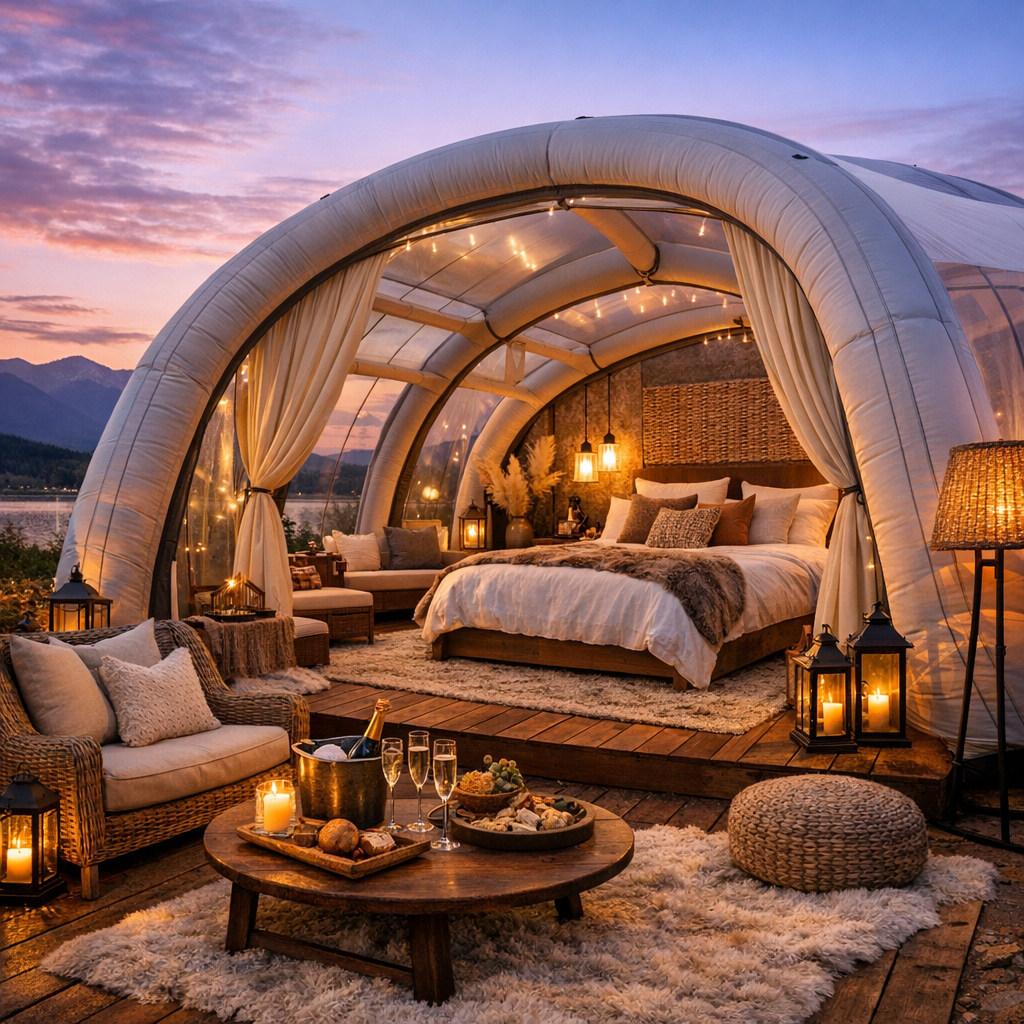
Choosing an air tent luxury model often comes down to striking the right balance between portability and comfort. Air tents are prized for their easy setup, but some luxury versions add layers of complexity and weight due to more durable materials and extra features. For event planners managing festivals or temporary outdoor lounges, a heavier tent might mean needing additional transport resources or more hands on deck during assembly.
The trade-off usually falls between premium fabrics and easy pack-up. High-end air tents often use reinforced PVC or oxford cloth for enhanced weather resistance and lifespan. These materials improve comfort by offering better insulation and UV protection, which event attendees appreciate in unpredictable outdoor conditions. But these benefits come with a heavier tent package, affecting how many you can store in a van or how quickly you can redeploy between venues.
Consider the size and layout too. Air tents that tout luxury often offer higher ceilings and larger floor space—great for corporate hospitality areas or luxury exhibitor booths—but their bulk demands more staging space and possibly additional anchoring, especially in windier settings. When selecting, weigh how much space you can dedicate both in transport and on site against how much you want to impress guests with walks-in, upscale vibes.
Managing Setup Time Without Sacrificing Quality
Air tent luxury usually means incorporating more inflatable beams or pressure points for a stable, solid frame. While that brings a sense of permanence and style, it does require more careful setup and occasionally higher maintenance. An experienced event team knows that rushing the inflation sequence or skipping double checks on valves can cause air loss mid-event and compromise the entire structure.
Luxury air tents typically feature more complex air-lock systems to maintain pressure overnight or throughout multi-day festivals. These systems reduce the need for daily reinflation, but they introduce extra steps during installation. Skilled staff familiar with these mechanisms can cut setup time significantly, but less experienced crews might find the process a hassle and mistakenly opt for simpler, less durable alternatives.
Equip yourself with clear, well-illustrated setup guides. Some manufacturers now offer digital tutorials or onboard sensors showing optimal inflation levels, which can prove invaluable for teams juggling multiple setups simultaneously. Training your crew on these tech-enhanced luxury options keeps your events seamless without sacrificing that premium look and feel.
Weatherproofing and Ventilation Challenges
Air tents designed for luxury often lean heavily on weatherproofing features—heat-sealed seams, waterproof coatings, and specialized ventilation systems. While these aspects deliver protection from rain, wind, and sun, they can create unexpected challenges, especially in mixed-weather scenarios.
Some high-end air tents prioritize airtightness to maintain inflated frames better, inadvertently reducing natural airflow inside. This can lead to stuffiness or increased condensation, which is uncomfortable for guests and can even damage decor or electronics inside. Proper planning includes scheduling breaks for airing out the tent or integrating powered ventilation solutions, but that might add to power and logistics needs onsite.
Another thing to watch is how tents handle temperature extremes. Luxury models sometimes incorporate insulated panels or reflective coatings that keep interiors cooler under intense sun exposure. However, in colder climates, they might trap cold air, requiring portable heaters or insulated ground mats to maintain comfort — aspects that must factor into your budgeting and event layout decisions.
Customization Versus Practicality
One appeal of air tent luxury is the enhanced customization possible with bespoke branding, lighting, and interior fittings. High-quality fabrics offer printing options that don’t fade easily, seams can be tailored for additional windows or doors, and lighting fixtures integrated into the structure can elevate the event atmosphere.
Yet, customization can introduce complexity and raise costs in a way that might not suit every project. Adding heavy branding vinyl layers, customized entryways, or internal curtains affects not only the weight and durability but also the ease of cleaning and storage. Some clients underestimate the logistics of maintaining these personalized features over several event cycles.
There’s also the challenge of resale or repurposing. Over-customizing a luxury air tent for a niche brand may limit its appeal or usability in other contexts. For companies supplying multiple clients or events, a balance is needed between a standout design and retaining flexibility to adapt to differing needs without excessive refurbishment costs.
Ensuring Safety Without Compromise
Safety considerations are paramount with any air tent luxury setup, but the unique demands of inflatable structures mean they require specific checks. Proper anchoring is one of the most common concerns. Luxury tents often have bigger surface areas and higher wind resistance, raising the stakes if tie-downs aren’t installed correctly.
Many clients assume that because the frame inflates easily, it’s also structurally sound under all conditions. However, heavy rain or strong gusts can exploit weaknesses, especially if the tent has lots of glass-panel windows or extensive openings. Confirming that the frame design and anchoring points meet local safety regulations can save headaches and liability issues.
Using accessories like weighted ballast systems instead of stakes on concrete or hard surfaces improves safety but demands extra planning and sometimes additional handling gear. It’s equally important to ensure emergency exits are clearly marked and unobstructed, even if those are customized or decorated for an event look.
Considering Long-Term Investment and Maintenance
Buying into air tent luxury isn’t just about that initial wow factor—how these tents hold up over multiple events affects your bottom line more than many first assume. Quality materials and cutting-edge features often mean less frequent replacement or repair, but they also require diligent maintenance.
Regular inspections for seam integrity, valve functionality, and fabric wear keep the tent performing as expected. Some luxury air tents come with enhanced warranties but verifying what’s covered and any maintenance conditions before purchase is essential.
Storing high-end air tents properly can also extend life. These tents should be cleaned thoroughly after use, dried completely before packing, and stored in controlled environments to avoid mold or fabric degradation.
Choosing a luxury air tent for your operations means planning not only for initial deployment but several years of use. Your maintenance routines and staffing must account for these ongoing needs to protect the investment and uphold top event standards.


