
Table of Contents
Material for a 4 Season Car Tent
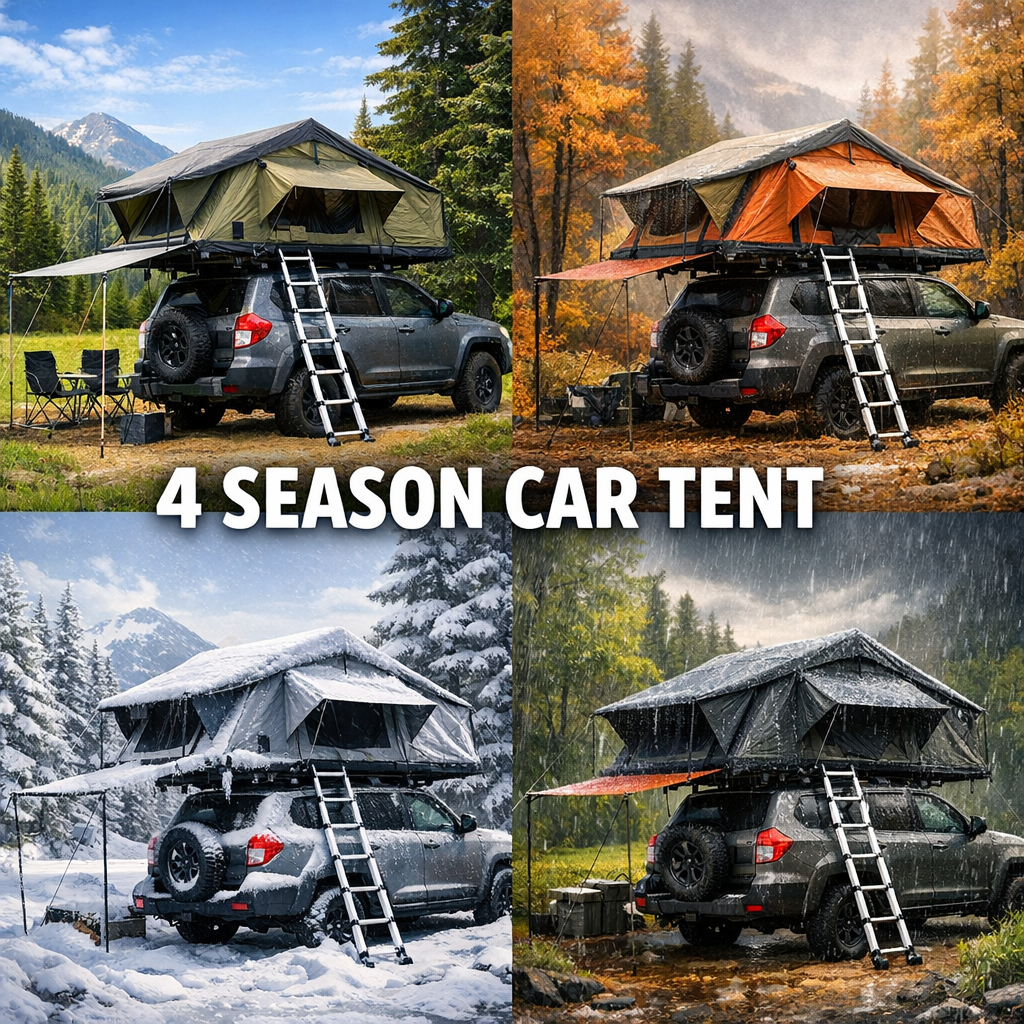
Selecting the material for a 4 season car tent is more than just opting for something waterproof or windproof. Different fabrics bring varying degrees of durability, breathability, and UV protection. For example, polyester coated with polyurethane is often favored for its balance of lightweight and weather resistance, while heavier canvas models might offer better insulation but add weight. You’ll want to carefully consider what kind of environments your clients will most frequently encounter. Mountainous regions with heavy snowfall require tents that handle snow load well, whereas those designed for windy coastal areas need superior wind resistance.
Another practical aspect is how easily the tent material dries out after exposure to rain or snow. Mold and mildew can be a headache for event planners when gear is stored between uses. A well-ventilated, quick-drying fabric can save time and maintenance costs in the long run.
Managing Ventilation and Climate Control in a 4 Season Car Tent
Even though these tents are built for tough conditions, maintaining a comfortable interior climate is often overlooked. Insulation is great for cold weather, but too much can cause condensation which damages both the tent and any equipment inside. Ventilation features like adjustable windows or vents can be lifesavers.
If your client is planning multi-day events or long stints outdoors, make sure the car tent offers flexible airflow options. Mesh panels that can be zipped or unzipped provide a way to balance warmth and ventilation. Those working at winter markets or trade shows will appreciate tents that can be fitted with portable heaters or electric hookups without compromising safety. Keep in mind, though, that the more complex the ventilation system, the more parts there are that could potentially fail during setup or use.
Setting Up and Stability Considerations for a 4 Season Car Tent
A sturdy frame matters a lot. Event planners and distributors know that a quick and reliable setup is crucial. Models using steel or high-quality aluminum poles typically offer a better balance between strength and weight. Alu poles are lighter but can bend under extreme pressure, while steel tends to handle heavy snow and wind but weighs more.
Having strong stakes and adjustable guy ropes is equally important for stability. Snow traps and wind flaps can also improve the overall performance when used correctly, so make sure your client understands setup nuances for various conditions.
The size and shape of the tent impact how it will fare in adverse weather. Taller structures with large roof areas look great but can catch more wind. Lower-profile designs often perform better in storms but might reduce usable interior space.
Transportability and Storage Trade-offs for a 4 Season Car Tent
No matter how rugged the tent, if it’s unwieldy to transport or store, it can quickly become a liability. For professionals who travel frequently, weight and packed volume are critical. Lightweight tents with compact carrying bags are ideal, but they often mean thinner materials or less robust frames.
Clients who have ample storage space and do less traveling might prioritize durability over portability. However, those shipping equipment between venues should factor in the cost and logistics of transporting heavy or bulky tents.
Check the complexity of packing as well. Some tents are designed to fold back into their bags easily, while others require multiple people or considerable time to fold. Time spent on setup often correlates with teardown, so understanding these practicalities can help your client decide what works best for their workflow.
Customization and Accessory Integration in a 4 Season Car Tent
Customization can go a long way in increasing the functionality of a 4 season car tent. Attaching banners, signage, or lighting is common among distributors and event planners who want to maintain brand visibility in all weather conditions. However, not all tents are built with strong attachment points or reinforcement for added accessories.
Some tent designs integrate modular panels or sidewalls that can be swapped depending on weather demands. This is especially useful for clients operating year-round in varying climates, as they can adapt the setup without purchasing multiple tents.
Adding accessories like ground straps, snow skirts, or ramps can dramatically improve usability during extreme conditions, but every addition also increases weight and complexity. Knowing these trade-offs helps clients select tents that match their exact needs without sacrificing portability or ease of setup.
Repair and Maintenance Realities of a 4 Season Car Tent
Durability checks shouldn’t stop at initial selection. Repeated exposure to snow, wind, UV, and moisture means wear and tear is inevitable. Clients should be wary of tents whose components are either too proprietary (hard to find replacements) or flimsy.
Providing guidance on quick patch repairs or recommended maintenance routines can help first-time buyers keep their tent in good shape longer. Some fabrics may require waterproofing treatments before heavy snowfalls or prolonged rain, while certain frame materials might need rust prevention.
Also, factors like how easy it is to disassemble and clean the tent fabric affect long-term satisfaction. A tent that dries slowly in storage or is difficult to clean from dirt, salt, or grime can lead to expensive replacements sooner than expected. Getting clients to think realistically about maintenance saves them headaches later on.


