
Table of Contents
Top of Car Tent for On-the-Go Events
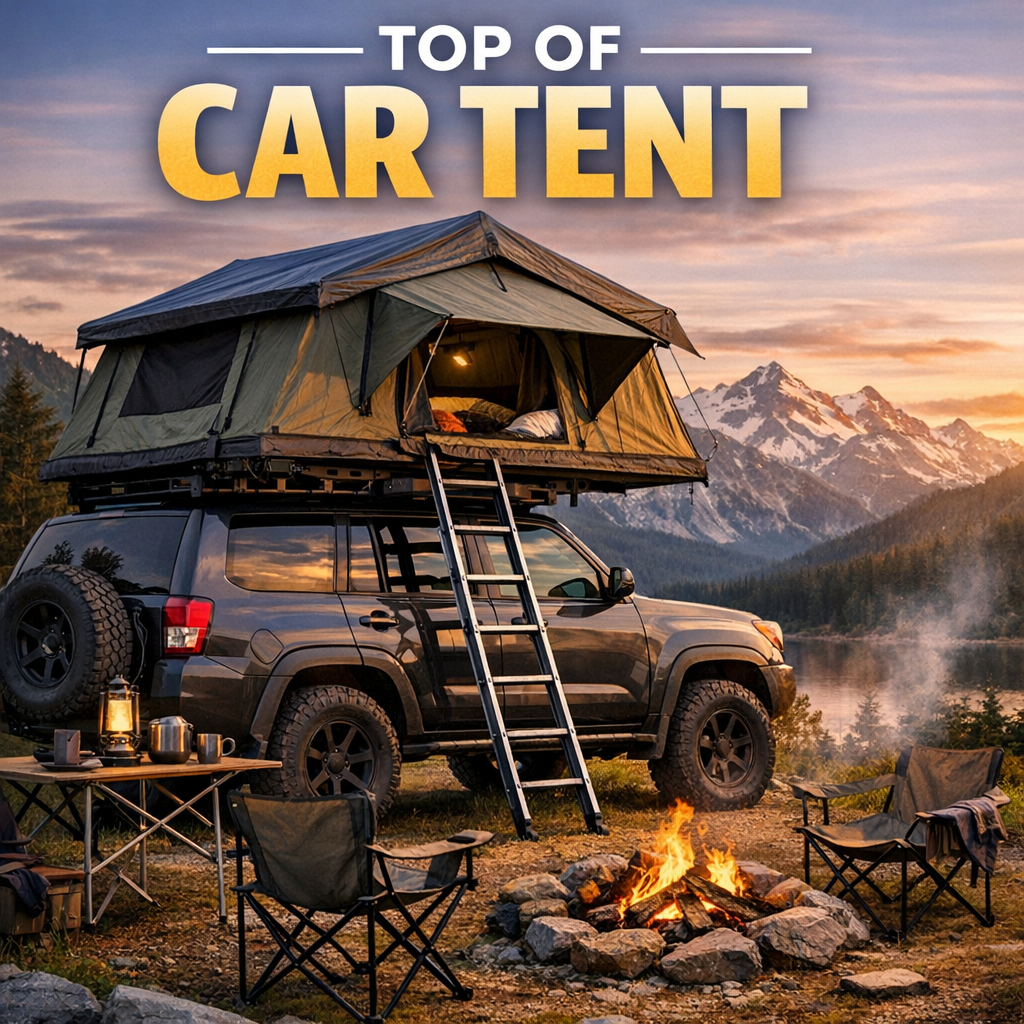
When you’re setting up at outdoor events, roadside promotions, or pop-up markets, a top of car tent can be a game-changer. Instead of hauling bulky equipment and finding space to pitch a traditional tent, these rooftop setups make use of the available vertical real estate—your vehicle’s roof. That said, picking one that fits your specific needs involves more than just checking dimensions.
First, consider your vehicle type. Not every rooftop tent complements every car model. SUVs and trucks often handle rooftop tents better than smaller sedans because of weight distribution and roof strength. Some tents require crossbars to mount securely, so you may need to factor in additional purchases if your car isn’t already equipped. Be realistic about the load capacity and ensure your vehicle’s roof can safely support the tent and occupants.
Carrying a top of car tent adds weight to your roof, impacting fuel efficiency and vehicle handling. If your event involves plenty of driving between locations, the extra drag and weight can increase fuel consumption noticeably. It’s worth accounting for this in your logistics and budgeting. At the same time, the convenience of a quick setup at destination often offsets those operational downsides.
Setup Speed and On-Site Flexibility
One of the biggest selling points for a top of car tent is how quickly it allows you to establish your base. Unlike ground tents, which require flat, clear space and often extra manpower to pitch, rooftop tents typically unfold or pop up in minutes. This can be a critical advantage when you’re moving between multiple event sites in a single day.
However, setup speed varies between models. Some are soft-shell tents that compress into a smaller size but require more unfolding and securing, while hard-shell versions often use gas struts for near-instant deployment. Hard-shell tents usually come at a higher price point but save significant time on setup and takedown—something to consider based on your event workflow.
Keep in mind that while the rooftop tent clears up ground space, you might have to work around your vehicle’s parked position. Limited accessibility or uneven surfaces might restrict use, especially if you need to connect power supplies or bringing multiple promotional setups together.
It’s also worth testing the tent setup off-site to avoid surprises on event day. Roof tent configurations can present challenges in high winds or unpredictable weather, so understanding how your model locks down and withstands the elements can preserve your equipment and protect your team.
Protecting Your Investment During Transportation and Storage
The top of car tent is not just an accessory; it’s a substantial piece of equipment that needs care beyond use. When mounted on your vehicle, it faces exposure to road debris, rain, and sun damage. Many tents come with protective covers or hard shells to minimize wear during transit. Without this, fabric tents may degrade faster, and mechanical parts could seize or rust.
Detaching and storing the rooftop tent between events extends its longevity, but this is easier said than done. The bulk and weight can pose challenges, especially if you lack appropriate storage space or handling equipment. Some professional buyers and event planners opt for rental models or have dedicated staff for tent maintenance to tackle these issues.
Climate makes a difference too. High humidity or frequent rain call for materials with excellent water resistance and ventilation to prevent mold and mildew growth. It’s worthwhile to confirm the tent materials and coatings meet your local demands.
Finally, ensure maintenance is part of your routine. Cleaning after each event and inspecting attachment points reduces risk and prolongs your tent’s functional life. Repairs should be timely, as even small tears or loose fittings can escalate into bigger problems if ignored.
Balancing Comfort and Practicality at Outdoor Events
Comfort often determines how long your team can stay effective on site, and a top of car tent surprisingly contributes beyond just shelter. Some models provide integrated sleeping pads, internal lighting options, or mosquito netting, supporting overnight stays or rest breaks without compromising space.
That said, comfort features add weight and complexity. If your events are usually short or urban with access to hotels, you might prioritize a lighter, more basic tent. Conversely, if overnight or weekend-long outdoor festivals are common, investing in enhanced comfort pays dividends in endurance and team morale.
Ventilation is another factor frequently overlooked. Closed tents can get stuffy, especially under the sun, reducing usefulness. Look for designs with mesh windows and ventilation flaps to keep air flowing without letting insects in. The ability to partially open the tent also helps regulate temperature without sacrificing privacy.
Keep in mind constraints like height clearance under parking garage ceilings or low-hanging branches at certain venues. The added height from a rooftop tent significantly increases your vehicle’s profile and might limit access or require alternative transport and parking plans.
Integration With Other Event Equipment and Brand Presence
Your promotional setup shouldn’t exist in isolation. A top of car tent can act as both shelter and branding canvas but integrating it effectively can be tricky. Many companies use custom-printed tent covers or attachable banners to maximize visibility at trade shows, festivals, or roadside promotions.
Customizing the tent with logos or specific color schemes boosts brand recognition but remember the materials’ durability. Printing directly on fabric exposed to weather might fade or peel, so check what printing technologies and replacement cover options your supplier offers.
Mounting additional equipment—like lighting rigs, speakers, or small monitors—to a rooftop tent requires careful planning. Since the tent sits atop the vehicle, there are clear limits to what you can safely attach without jeopardizing stability or violating road regulations.
Using the “top of car tent” together with fold-out awnings or ground tents can create a layered setup that provides more usable space while maintaining rapid deployment. Just be mindful of how these components interact—trip hazards, anchoring, and overall footprint on busy event sites matter.
Making the Most of Your Top of Car Tent Investment
The choices around buying or upgrading a top of car tent reflect your operational priorities: speed, durability, comfort, and branding potential. There’s no one-size-fits-all; every event planner or distributor will weigh trade-offs differently.
One thing that experience teaches is to think beyond the initial purchase. Consider the wider ecosystem—vehicle compatibility, transport logistics, storage conditions, maintenance, and the kinds of events you are targeting. Often, smaller details like mounting hardware quality or fabric treatments make the biggest difference over time.
Testing your top of car tent at smaller events before committing it to larger or remote setups reduces risk and allows your team to refine handling procedures confidently. Getting familiar with what can go wrong—and having contingency plans—saves headaches and ensures smoother event delivery.
Understanding your real-world needs and limitations ultimately frames how valuable a top of car tent is for your business. They offer mobility and versatility, but like any tool, they require thoughtful integration and care to perform consistently and meet the demands of professional event environments.


