
Table of Contents
Advantages of Dome Tent Inflatable Designs
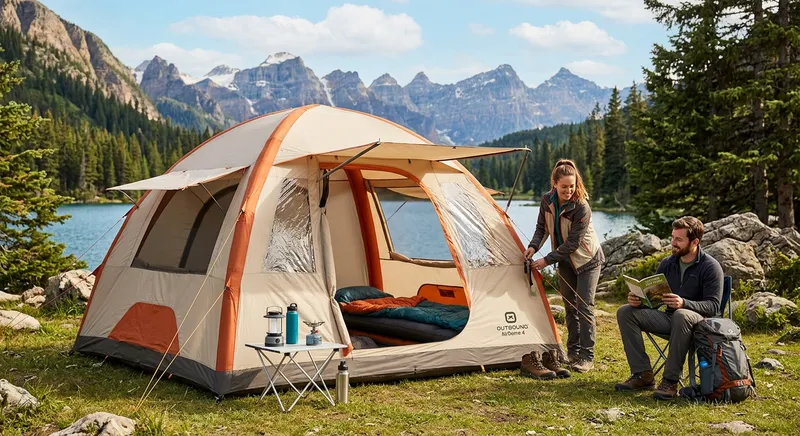
Dome tent inflatable models offer a unique blend of convenience and durability, making them increasingly popular among outdoor enthusiasts. Unlike traditional tents that rely on poles and pegs, inflatable dome tents use air beams to provide structural support. This design not only speeds up the setup process but also reduces the overall weight, which is a major benefit for backpackers and campers alike.
One of the key benefits of dome tent inflatable structures is their enhanced stability in windy conditions. Thanks to the flexible air beams, these tents can absorb and distribute wind loads more efficiently, minimizing the risk of collapse. Additionally, many inflatable tents are constructed with waterproof materials, offering superior protection against rain and moisture.
Practical Uses and Maintenance Tips
When using a dome tent inflatable for extended periods, it is important to ensure the air beams are properly inflated to maintain optimal structural integrity. Regularly checking for leaks or punctures is essential, especially after rough handling or storage. Many users carry small repair kits designed specifically for inflatable tents to quickly address any damage in the field.
Cleaning these tents after each use can extend their lifespan significantly. It’s recommended to gently wipe down the membranes with a damp cloth and mild soap to remove dirt and grime. Avoid harsh chemicals that may degrade the materials over time. Proper drying before storage prevents mold and mildew formation, which can be a common issue if tents are packed while still damp.
Environmental Impact and Sustainability Considerations
With growing awareness about environmental sustainability, many manufacturers of dome tent inflatable models are now focusing on eco-friendly materials and production processes. Some tents are made from recycled fabrics or utilize biodegradable coatings that reduce harmful chemical runoff. This shift reflects a broader trend toward responsible outdoor gear manufacturing.
While inflatable tents generally require less material and labor to create compared to conventional pole tents, their reliance on synthetic polymers raises questions about end-of-life disposal. Campers are encouraged to consider the full lifecycle of their gear and opt for brands that offer recycling programs or take-back initiatives. By choosing sustainable options, users contribute to reducing the overall environmental footprint of their camping activities.


