
Table of Contents
Air Tent Large for Extended Outdoor Use
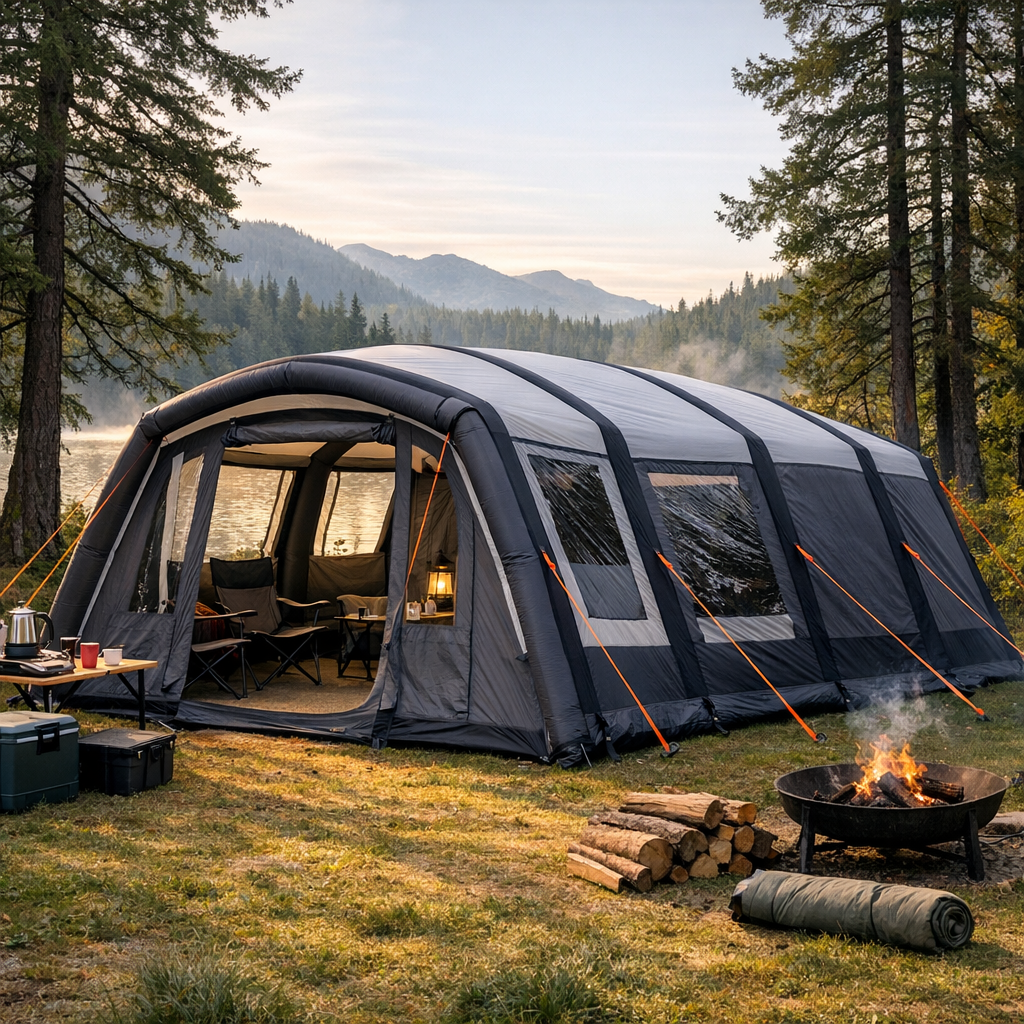
Choosing an air tent large enough for your event can feel like more than just picking a size. The sturdiness and design come into play heavily, especially when you’re dealing with multiple hours of exposure to unpredictable weather conditions. Air tents rely on inflatable beams instead of traditional poles, which offers quick setup and flexible shapes. But not all air tent large models are equally suited for continuous outdoor use.
A common hurdle is balancing size with stability. Bigger inflatable tents cover more ground but require better anchoring and stronger inflation systems to withstand wind gusts. Using higher denier fabric can enhance durability, but it adds weight and impacts portability—something to consider if your events require frequent transport. Ventilation and waterproofing also differ between models. Too often, buyers assume bigger means better ventilation; in reality, the tent design has a bigger role in airflow management than just size.
Evaluating the pump system is crucial. Some air tents large come with battery-operated pumps, which are handy for sites without electricity. However, battery life can limit operation during longer events. Electric pumps perform well but depend on power availability. Many professional buyers paired with distributors prefer models allowing manual inflation backup to avoid unexpected downtime.
Managing Setup and Breakdown: Realities of Handling an Air Tent Large
Big air tents lift a lot more than air—they elevate the complexity of setup and teardown. The promise of rapid assembly sounds appealing, but when the tent is large, you’ll need a team familiar with the process. Inflatable beams inflate quickly, but positioning the frame correctly and securing anchor points can take up surprising amounts of time.
Wind conditions during setup are a key factor. Unlike rigid pole tents, an air tent large can be more sensitive to shifting winds, which risks collapse during inflation if not properly handled. Staff training on how to adapt inflations pressure to changing weather conditions goes a long way. It’s not just about inflating and staking out. You may need to adjust tension and re-inflate if there’s pressure loss during long events.
Breakdown after use also demands attention. Large air tents often require thorough drying and careful packing to prevent damage. Moisture trapped inside can degrade materials over time if not properly managed. For rental companies or distributors handling multiple units, having a dedicated space for cleaning and inspecting these tents is a smart investment. It extends the usable life significantly while reducing repair costs.
Transport and Storage: Weighing Space Against Convenience for Air Tent Large Models
When scouting for an air tent large, consider how it fits into your logistics chain. Inflatable tents are lighter than traditional pole tents but can still bulk up during transport. Their packed size can challenge vehicle space, especially with bigger tent configurations involving multiple rooms or accessories.
Some buyers underestimate the demands of storage. Large air tents require dry, climate-controlled spaces to keep the fabric and valves in top condition between events. If stored incorrectly, seams may weaken or materials could discolor, which isn’t just cosmetic—the mechanical integrity could suffer as well.
Transport cases designed specifically for air tents large often come with reinforced wheels, handles, and compartments for pumps and accessories. Although adding to upfront costs, they save time and reduce injury risk during loading and unloading. Event planners juggling multiple equipment types find these details invaluable when coordinating tight timelines between venues.
Customization and Branding Options: Balancing Visibility with Practicality
Event planners increasingly look to air tents large not just for shelter but as branding tools. Many models permit custom artwork printed directly on the fabric, which is fantastic for making a visual impact at exhibitions or trade fairs. However, customization can affect the tent in unexpected ways.
Ink and printing techniques may change the fabric’s flexibility and breathability. Overly thick paint layers can crack when the tent folds, potentially leading to premature wear. Moreover, tightly wrapped vinyl wraps and appliques might limit necessary ventilation, which could cause internal condensation problems during warm events.
Another factor is how branding interacts with maintenance. Custom-printed fabrics require specific cleaning procedures to avoid fading or damage. Harsh chemicals or abrasive scrubbing won’t do. That means your cleaning staff or rental operators must be trained or informed accordingly.
Custom configurations like internal partitions, added doorways, or carpeting also influence airflow and space usability. It’s best to test prototype layouts whenever possible to ensure your air tent large still meets functional needs without compromising design ambitions.
Weather Resistance vs. Portability: Finding the Balance
One of the pivotal concerns in selecting an air tent large is weather resistance, especially rain and wind tolerance, versus how easily the tent can be moved and set up. Heavier, more robust fabrics and reinforced welding seams make a tent better suited to survive storms but add weight and reduce pack size.
Some planners have shifted toward modular tent systems composed of multiple inflatable units zipped together. This approach spreads out weight and allows for easier transportation of smaller components. However, it demands additional seals and zippers that can sometimes become failure points, leading to potential air leaks.
Windproofing accessories such as weighted ballast bags or internal guy lines add stability but again complicate the load and setup process. If your event location is urban and stable, keeping the setup simple might be preferable. Outdoors on open fields, the trade-off may lean heavily into robust anchoring and heavier materials.
Choose an air tent large model not just by size but by matching the fabric quality, inflation system capacity, and anchoring options to the known conditions of your event environments. No single tent handles all scenarios perfectly—sometimes investing in two different setups tailored for distinct climates or event types pays off better than struggling with compromise.
Selecting an air tent large involves much more than the footprint alone. Every step from setup to breakdown, from transport to customization, has practical considerations that affect usability and longevity. Balancing these elements against real-world event requirements—not just design specs—ensures the tent remains an asset that simplifies your work rather than complicates it.


