
Table of Contents
Car Tent Shade for Different Event Settings
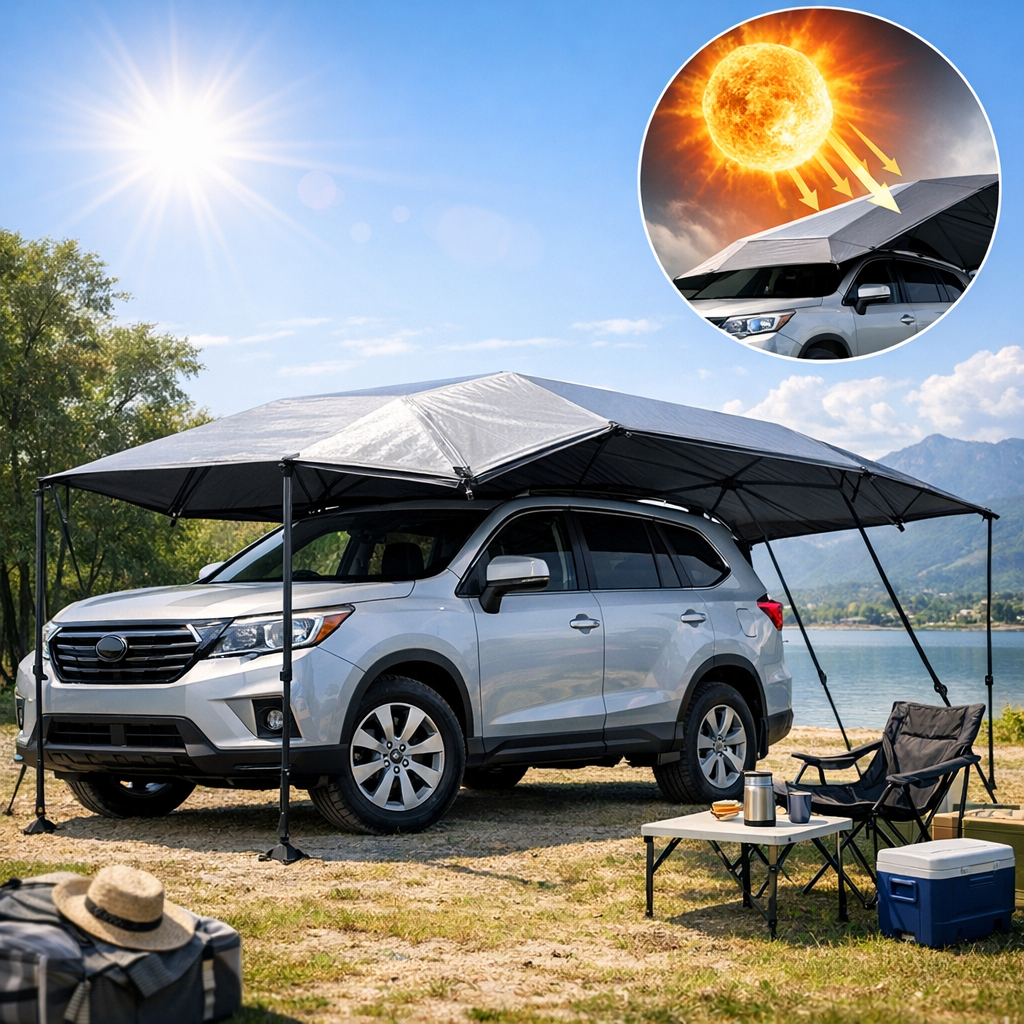
When you’re organizing an event that involves vehicle displays or outdoor gatherings, selecting an appropriate car tent shade is more than just picking something to block the sun. Different venues and conditions call for varying designs, materials, and setup methods. For example, a car show in a parking lot demands a sturdy frame and reliable anchoring, while a quick roadside demonstration might prioritize ease of assembly and portability.
The size and style of the car tent shade play a significant role. Dome-shaped designs offer better wind resistance, but may cost more and take longer to set up. Pop-up tents are quick but might not handle unexpected weather as well. If you plan to reuse the shade multiple times, investing in rust-resistant steel frames or high-quality UV-treated fabric can pay off. Otherwise, lighter aluminum or polyester options could suffice.
Don’t overlook the environment either. Urban settings with limited space might call for compact, slim-profile tents, while open fields or beaches allow for larger, more imposing structures. Always consider the likelihood of wind, rain, and temperature fluctuations in your planning stage.
Managing Setup and Storage Challenges with Car Tent Shades
A common issue clients face is balancing portability against durability when choosing car tent shades. If your events require frequent on-site assembly and teardown, a cumbersome tent will slow your team down. Lightweight materials make setup easier but can compromise longevity, especially with repetitive use in harsh weather.
Storage can become tricky with bulky tents that don’t fold compactly. Event planners should anticipate storage space needs and seek tents that can collapse flat or into a manageable carrying case. Also, check whether replacement parts like stakes or fabric panels are easy to source or repair locally, as this can save downtime.
Pay attention to the canopy’s fabric care instructions too. Some materials require drying before packing to avoid mildew, which might not be ideal if your schedule is tight. Having a quick-dry or water-resistant fabric can resolve these practical concerns.
Balancing Shade Coverage and Vehicle Accessibility
Providing sufficient shade while maintaining accessibility to the vehicle is often overlooked. A car tent shade with too large coverage can block showroom features or limit movement, while one that is too small offers inadequate protection for the vehicle and occupants.
Think about the purpose of the shade. For promotional events where visitors may want to look inside cars, designs with removable side panels or adjustable heights are better. For protecting vehicles from sunlight during long outdoor storage, a full-coverage canopy offers more peace of mind.
Height clearance matters too. Taller vehicles like trucks or SUVs require tents with higher roof clearance. This can affect the tent’s wind resistance and may necessitate additional supports or guy lines. Planning around these trade-offs ensures the shade suits your event needs and vehicle profiles perfectly.
Understanding Material Choices and Their Impact on Longevity
The fabric and frame material of a car tent shade greatly influence how it performs over time. Polyester and nylon are common canopy fabrics, each with their pros and cons. Polyester generally offers stronger tear resistance and UV protection, making it suitable for events under intense sun. Nylon is lighter and packs smaller but may degrade faster with prolonged exposure.
Frames predominantly come in aluminum or steel. Aluminum is lighter, which simplifies setup, but can dent or bend under force. Steel frames offer durability and better wind resistance but add weight. Powder-coated steel can resist rust better, extending the tent’s lifespan.
Coatings and treatments also matter. Water-repellent fabrics can prevent damage during unexpected rain showers, but waterproofing layers might reduce breathability, causing heat buildup underneath the shade. Considering average weather conditions at your event locations will guide the best material and coating selections.
Navigating Regulatory and Safety Considerations on Car Tent Shade Use
Regulations for temporary structures, including car tent shades, vary greatly by location. Many venues require permits for tents over specific sizes or those anchored with stakes. It’s wise to verify local codes ahead of time, especially if your events happen across multiple jurisdictions.
Fire retardancy of fabric is another key concern. Look for shades that meet fire safety standards relevant to large gatherings to minimize risks. Having proper documentation for compliance can also smooth the approval process with venue managers or regulatory bodies.
Safety during windy or stormy conditions is paramount. Even a well-secured car tent shade can become hazardous if gusts pick up unexpectedly. Having a contingency plan to dismantle or reinforce tents is essential to protect personnel, attendees, and assets.
Coordinating Custom Branding and Functional Features on Car Tent Shades
Incorporating branding onto car tent shades is a common request, particularly for promotional events and dealer showcases. However, adding logos or graphics can affect the fabric’s properties and longevity. Screen printing or dye sublimation methods vary in durability, and overloaded prints might reduce the material’s breathability or water resistance.
Some customers want additional features like sidewalls, windows, or lighting integrated into the car tent shade. While these additions improve the experience, they must be balanced against cost, setup complexity, and weight considerations. For example, sidewalls improve wind protection but increase setup time and may require extra anchoring.
Planning for modular designs allows event buyers to adapt the tent shade to varying client needs without purchasing entirely new units each time. This flexibility saves budget and storage space in the long run.
––––––––
Selecting the right car tent shade requires practical understanding of real-world application, environment, and event demands. Approaching these choices with an eye on trade-offs and durability ensures smoother events and greater client satisfaction.


