
Table of Contents
Car Tent Canopy for Various Event Settings
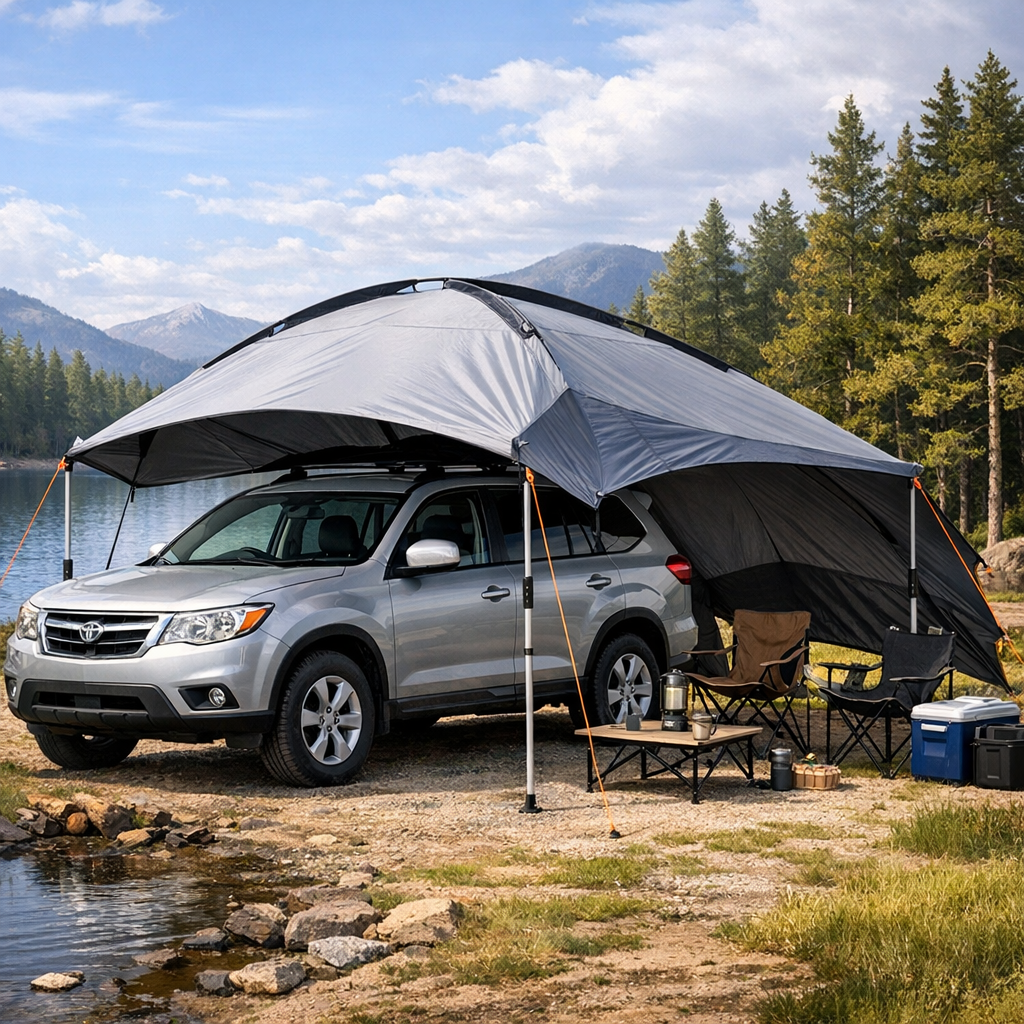
Selecting a car tent canopy isn’t as straightforward as just picking any shelter that fits your vehicle’s size. Different events demand different qualities. For outdoor trade shows, something lightweight and easy to assemble may take priority because of quick setup and teardown. At longer festivals or multi-day expos, durability and weather resistance become key. If your event is in a sunny climate, UV protection within the canopy fabric will make a significant difference, shielding both the car and your promotional materials from fading.
Keep in mind the trade-off between portability and sturdiness. Some car tent canopies come with aluminum frames that are lighter but might flex under strong wind. Steel frames offer heavier-duty protection but can be cumbersome to transport and set up. If your event is prone to unpredictable weather, a sturdier frame could save time and money spent on repairs or replacements.
Generally, ensure the canopy size leaves enough clearance for people moving around the vehicle, plus space for tables or promotional displays. Oversizing can cause unnecessary bulk, while undersizing impacts the presentation negatively.
Managing Space and Accessibility with a Car Tent Canopy
A common situation event planners face involves balancing protection with access. Setting up a car tent canopy tight against the vehicle might shield it well from rain or sun, but it limits customer interaction with the vehicle or display. Sometimes, having an open side or partial shelter extension can improve the flow of foot traffic and customer engagement, making the space feel more inviting.
Consider how the canopy’s shape and height affect this interaction. Straight legs can fit closely but create a low ceiling around the edges, which may be restrictive during busy events; sloping or arched tops add headroom but tend to be heavier. Retractable canopies offer flexibility but often cost more and require careful maintenance.
Practical experience shows that combining a canopy with sidewalls can help manage wind and rain blockage but can feel like a barrier if not designed with windows or mesh panels. For distributors, providing clients with options to customize sidewalls could address different user preferences efficiently.
Weather Adaptability: Rain, Sun, and Wind Impact on Car Tent Canopies
No matter how robust your car tent canopy is, weather remains a challenge. Some canopies handle sudden rain better because of water-resistant fabrics, but those fabrics may trap heat or become slippery when wet. Ventilation features—like mesh panels or vents in the canopy top—are essential to avoid stuffiness, especially in hot conditions.
Wind is a more complex factor. Even the strongest frame may struggle without proper anchoring. Stakes and weighted bags are common, but their effectiveness depends on ground conditions, whether grass, concrete, or uneven surfaces. For urban events, sandbags or water weights become necessary since stakes can’t be driven.
During heavy winds, a tent canopy might flex or even collapse if overloaded with promotional banners or accessories. Planning for these environmental factors upfront helps avoid damaged inventory and safety hazards.
Transport and Storage: Logistics Behind Car Tent Canopies
Event professionals often underestimate the logistics of moving and storing car tent canopies. A model that folds compactly and fits into an ordinary car trunk means fewer personnel and less setup time onsite. However, compactness usually comes at the price of lighter materials, which might not hold up to repeated use or challenging weather conditions.
Storing your canopy properly between events extends its lifespan significantly. Avoid leaving damp fabric folded tightly, which can lead to mildew or weakened fibers. Frame parts often get bent or scratched after constant assembly and disassembly—designs with modular or replaceable parts can save you hassle and expense in the long run.
In transportation, consider how your canopy fits with other necessary gear and promotional items. Bulky tents mean more trips or larger vehicles, directly affecting event costs.
Branding Opportunities and Visibility Under a Car Tent Canopy
Promotional events mean your canopy can be more than just shelter—it’s part of your brand presence. Screen printing, vinyl banners, or digital printing on canopy fabric helps draw attention and reinforce your message. But trade-offs exist. Highly customized tents can be expensive and take weeks to produce, limiting last-minute opportunities.
Fabric colors and finishes also affect visibility. Matte fabrics reduce glare and reflections in photos or video, while glossy finishes look more vibrant but might fade quicker outdoors. If you frequently rotate brands or campaigns, consider modular branding elements—attaching banners or flags to a neutral-colored canopy offers flexibility and reduces long-term investment.
The size and placement of logos matter. Too large may overwhelm or appear tacky; too small and they go unnoticed. Testing your tent canopy design under event lighting and crowd conditions helps find the right balance.
Maintenance and Replacement Considerations for Car Tent Canopies
Having handled many canopies over the years, it’s clear that maintenance often gets overlooked until problems appear. Regular cleaning, especially after dusty or rainy events, prevents buildup that can cause fabric degradation or frame rust. Use gentle detergents and avoid harsh chemicals to preserve waterproof coatings and colors.
Replacing parts like zippers, Velcro strips, or corner connectors should be part of your routine checks. Many manufacturers supply spare parts because a stitch or zipper failure is common after frequent use. In many cases, repairing in the field can save your event from cancellation or unattractive setups.
Planning for canopy lifecycle includes budgeting for eventual replacement. Cheaper setups may seem cost-effective at first but deteriorate faster, while higher-quality tents last longer under tough conditions. Factors such as warranty, ease of repair, and the availability of parts should influence buying decisions.
Covering all these aspects helps professional buyers and event planners make more informed decisions about their car tent canopy investments, ensuring each event runs smoothly without last-minute equipment headaches.


