
Table of Contents
Automatic Car Tent for Your Event Needs
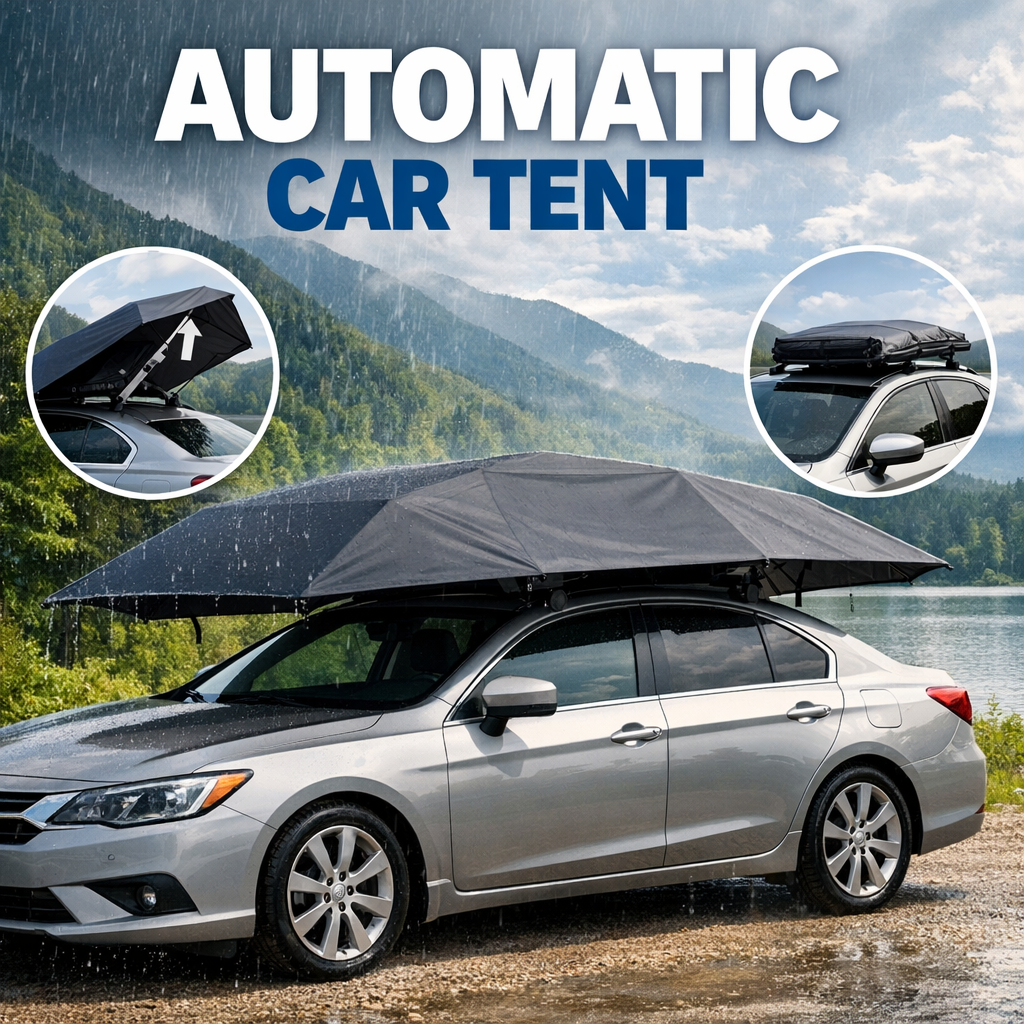
When working with clients or organizing events outdoors, the convenience of an automatic car tent often becomes a crucial factor. No one wants to wrestle with complicated setups, especially if the event hinges on quick assembly and takedown. One of the first things to weigh is the size and compatibility of the tent with the vehicle. Automatic car tents come in various sizes and designs, but not all equally suit every car model or event requirement.
A compact automatic car tent designed for a sedan might not provide enough coverage or protection for larger vehicles like SUVs or trucks. On the other hand, oversized tents can be bulky to transport and might require additional manpower despite their “automatic” label. It’s important to assess the space you need, considering not just the car itself but also whether the tent will provide room for gear storage or a shaded lounge area next to the vehicle.
Another consideration is the type of mechanism powering the automatic function. Some units use battery-operated motors, while others connect to a vehicle’s power outlet or rely on manual assist with spring-loaded frames. Battery-powered tents are handy for locations without power access but require regular monitoring and recharging, which can be tricky during multi-day events.
The speed of deployment also varies. Some automatic car tents open in under a minute which is perfect for trade shows or pop-ups with tight schedules. Others might take longer but offer more robust structural integrity once set up. Choosing between these will depend heavily on your event’s duration and weather conditions.
Managing Durability and Weather Resistance
Durability tends to be a hurdle with automatic car tents, especially when they’re subjected to wind, rain, or intense sun for prolonged periods. The materials used—both for the frame and the canopy—make a significant difference in how well the tent performs in less-than-ideal weather.
Aluminum frames provide a good balance of strength and weight, ideal when you need portability without sacrificing sturdiness. Steel frames, while stronger, add substantial weight and can complicate transport logistics. Fiberglass poles add flexibility but may not be suitable for heavy winds or large snow loads.
Canopy fabrics range from polyester to PVC-coated materials, each with its pros and cons. A polyester canopy treated with UV protection helps prevent fading, but may not be fully waterproof. PVC-coated fabrics, on the other hand, offer excellent waterproofing but can be heavier and less breathable, potentially creating condensation issues under the tent.
Ventilation is another practical feature to check when selecting an automatic car tent, especially in warm climates. Some designs incorporate mesh panels or adjustable windows which help reduce heat buildup without compromising protection.
Understanding Transport and Storage Challenges
A big part of the automatic car tent’s appeal lies in its promise of quick setup and breakdown—but this convenience can come with trade-offs in transport and storage. Many automatic car tents fold down compactly, but their weight and bulk can still be cumbersome, especially for event planners handling multiple setups.
Consider where and how the tents will be moved between events. For suppliers distributing to multiple clients or locations, lightweight and compact design is a must-have to avoid added shipping costs and logistical headaches. However, lighter tents sometimes mean thinner materials or less robust construction, which might not hold up under frequent use.
It’s also worth thinking about the storage conditions. Automatic car tents with electronic components need to be stored in dry, temperature-controlled environments to prevent damage and extend their life. If a tent is exposed to moisture or extreme temperatures in storage, mechanical parts can rust or degrade causing malfunctions.
Some automatic car tents come with custom carrying cases or wheeled bags which make transport easier and help protect the equipment, but these add to the initial investment and storage footprint.
Balancing Cost and Longevity
Budget is always a major factor for buyers in events and promotions, and it’s tempting to go for the most affordable automatic car tents on the market. However, cheaper models often mean compromises in quality, affecting both durability and functionality.
Frequent users of automatic car tents report that investing in mid-range models tends to pay off with fewer repairs, better weather resistance, and more reliable automatic mechanisms. Lower quality tents may start showing issues with frame warping, fabric tearing, or motors failing after just a few uses.
On the flip side, premium models might come loaded with features that don’t fit every client’s needs or event setups, potentially bloating your expenses without much return. It’s more practical to choose a tent that aligns with specific event scenarios; for example, heavier duty models for outdoor exhibitions and lighter versions for indoor promotional events.
Maintenance costs should also be factored into the long-term budgeting. Automatic car tents with modular frames and replaceable canopy panels allow for easier and cheaper repairs down the line. Avoid tents that require complete replacement if one part breaks, especially if you have a high turnover of clients or frequent event schedules.
Integrating Branding and Customization Options
An automatic car tent is more than just a cover; it’s a powerful branding tool at events. Many professional buyers look for tents that can be customized with logos, colors, and messaging to align with their marketing goals. However, customization must be balanced with the technical specifications of the tent and its automatic function.
Some automatic car tents feature panels easily swapped out or attach via hook-and-loop fasteners, providing flexibility for multiple clients. Others use printed canopies that are integral to the fabric, which can look sleek but limit adaptability for changing campaigns.
Keep in mind that applying heavy printing or coatings on the canopy can sometimes affect the fabric’s flexibility or water resistance. Also, certain printing methods might require specific types of tent material, so always confirm compatibility before making design decisions.
Customization isn’t limited to graphics—consider practical additions like integrated lighting, sidewalls with windows, or storage pockets, which can elevate the user experience without compromising the tent’s automatic operation.
Planning for On-Site Support and Training
Even the most user-friendly automatic car tents benefit from some level of training or on-site support, especially when used by varied teams or clients with different experience levels. Most breakdowns or delays on event days come from misunderstanding the setup process, safe operation of the automatic mechanism, or incorrect handling during transport.
Supplying clear, illustrated instructions with every product helps, but onsite demonstrations or quick videos can save time and reduce wear caused by improper use. As a distributor or planner, anticipating the need for support demonstrates professionalism and keeps events running smoothly.
Organizations using automatic car tents repeatedly may want to implement quick refresher training or designate a single point person responsible for setup and maintenance. This reduces the chance of accidental damage, increases lifespan, and ensures the automatic functions work as expected.
Also, preparing for contingencies if the automatic feature fails—knowing the manual override steps or having backup equipment nearby—can be a lifesaver in tight scheduling conditions.
Choosing the right automatic car tent means balancing convenience with quality, cost, and real-world performance. Each event and client brings unique challenges, and your insight into the trade-offs will help deliver better results and long-lasting equipment use.


