
Table of Contents
Air Tent Kitchen for Large Outdoor Events
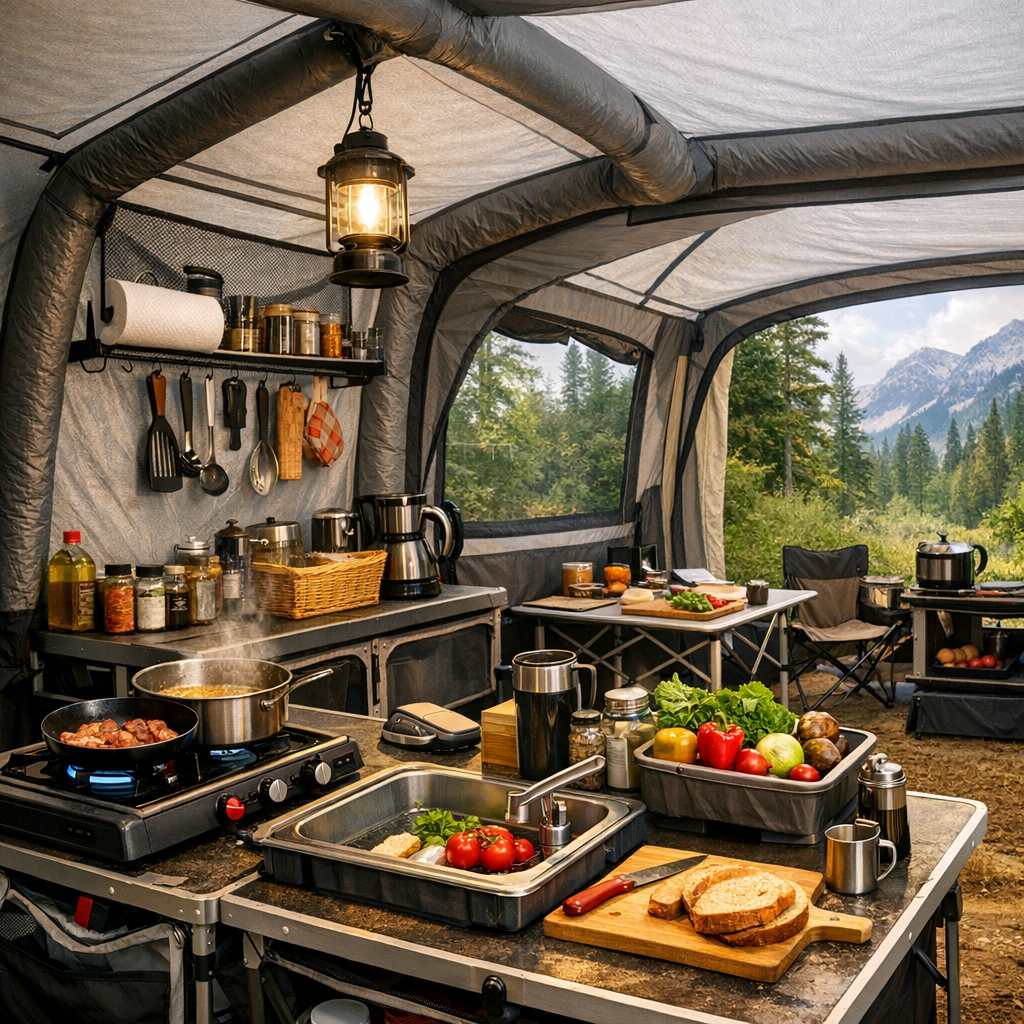
Selecting an air tent kitchen for a large outdoor event comes down to balancing size, setup convenience, and durability. Many event planners look for a structure that offers enough space for cooking, prep, and storage, but they also need something lightweight and easy to erect. Air tent kitchens make this easier than traditional frame tents since they use inflatable beams rather than poles, reducing setup time significantly.
However, consider the material quality carefully—some cheaper options sacrifice fabric strength for price, making them vulnerable in high winds or heavy rain. It’s worth investing in reinforced TPU-coated polyester or PVC canvas for added stability. A trade-off here is weight versus protection: heavier materials last longer but may take more effort to transport, so look for a balance that fits your logistics.
Ventilation is another key factor. Cooking produces heat and fumes, which can be a safety risk without proper airflow. Many air tent kitchens come with integrated vents or mesh panels, but these features vary widely. If your event involves heavy cooking, a tent with adjustable ventilation zones helps maintain comfort and compliance with health codes.
Integrating an Air Tent Kitchen into a Pop-Up Food Service Setup
For professional buyers and distributors who supply pop-up food vendors or street food festivals, integrating an air tent kitchen into the setup is about flexibility and modularity. Businesses often need to transition quickly between events in different locations. An air tent kitchen allows vendors to set up in spots where permanent kitchens aren’t available, but it must connect smoothly with other elements like refrigeration units, serving counters, and power sources.
Modularity becomes key when you want to scale or customize the space. Some brands offer expandable air tent sections or interchangeable panels that can convert the kitchen area into cooler storage or seating when needed. The downside is these add-ons can complicate the packing process. Make sure your team is trained on assembling these modular components to avoid delays during events.
Also, keep in mind the cleanability of the tent surfaces. Food prep areas demand hygiene compliance, so look for smooth, non-porous materials that can be wiped down easily. A kitchen tent with a floor cover reduces contamination risks but adds an extra layer to handle after each event.
Managing Weather Challenges with an Air Tent Kitchen
Outdoor events rarely guarantee perfect weather, which makes choosing an air tent kitchen that withstands unpredictable conditions essential. These tents often are praised for their rapid setup through inflatables, but they can be vulnerable if not anchored properly or if the design isn’t suited for wind or rain.
An air tent kitchen with multiple anchor points and guy ropes increases stability, especially on uneven ground. But remember, not every venue allows staking into the soil, so consider tents with weighted base solutions or sandbag attachments. This might make teardown slower, but it’s a small price for safer operations.
Rain drainage is another concern. Some air tent kitchens feature shaped roofing to direct water away from the cooking and serving zones, but flat or low-pitched designs can collect water, risking leaks or structural sagging. If your events are in rainy climates, prioritize designs with steeper roof slopes and reinforced seams.
[response]
Space Optimization: Fitting an Air Tent Kitchen into Limited Venues
Sometimes event buyers face tight spaces, whether at urban festivals or trade shows with restricted footprint areas. Choosing an air tent kitchen that can be compressed into a smaller packed volume while maximizing usable interior space is crucial here.
Look for rectangular or L-shaped layouts to bring workstations closer without wasting square footage. Collapsible or foldable prep tables inside the tent help maintain flexibility. The inflation system should also support partial inflation modes to adapt the tent envelope to height or width restrictions if needed.
Keep in mind that smaller air tent kitchens generally mean limited electrical access and storage options, which affects what equipment can operate inside. Planning what appliances and tools need power – and how that power will be supplied – makes all the difference between a smooth operation or running into workflow bottlenecks.
Coordinating Transport and Handling of Air Tent Kitchens for Distributors
Distributing air tent kitchens demands careful attention to weight, packing size, and durability during transit. Although inflatable structures reduce the bulk compared to frame systems, they still require compressor pumps, spare parts, and repair kits. Buyers often overlook the logistics of moving these kits multiple times a year, which could affect overall event timelines.
Quality suppliers often provide hard-shell cases or dedicated bags for protecting the tent and accessories. Consider how these bags perform under rough handling and stacking during transport. Choosing compact storage helps reduce freight charges but can increase the risk of damaging delicate inflatable components if packed incorrectly.
Another factor is the availability of local repair services or replacement parts. If your customers operate nationally or internationally, make sure the air tent kitchen brand supports quick part delivery. A small puncture or valve damage that causes inflation failure can upend an event schedule.


