
Table of Contents
Deciding When a Single Car Tent Fits Your Event Needs
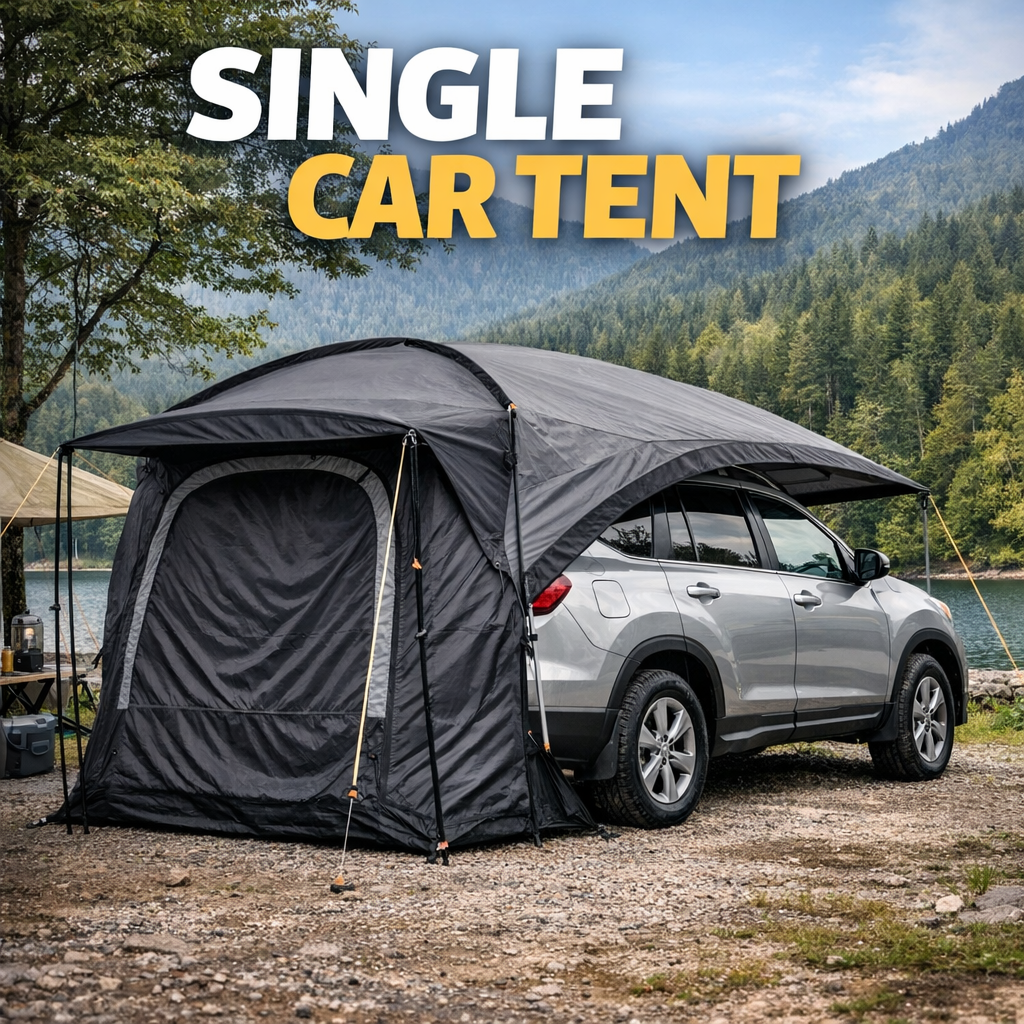
Planning an outdoor event often involves juggling space constraints and weather variables, especially if vehicles are part of the setup. A single car tent offers a practical solution for protecting one vehicle without commanding the space or budget a larger canopy would require. Unlike multi-car setups, a single car tent is ideal when the focus is on individual display vehicles – think product launches, VIP parking, or service bays at trade shows.
The trade-off here involves your event’s scale. Single car tents provide tailored coverage but aren’t suited for groups of cars or extensive parking lots. Their compact footprint simplifies placement, especially in crowded urban venues or private properties where space is limited. Keep in mind, though, that a simple structure means less flexibility if your needs suddenly scale up.
Choosing the Right Size and Material for Durability
Size isn’t just about the dimensions of a vehicle. Allowances for door opening, foot traffic, and equipment setup matter too. A single car tent generally covers a footprint slightly larger than an average sedan, but it’s smart to measure your largest or most common vehicles before selecting a model. If you expect SUVs or trucks, size up accordingly.
Material choice directly impacts long-term reliability. Frames may be steel or aluminum; steel offers strength but adds weight and potential rust issues, whereas aluminum is lighter and more resistant to corrosion. Fabric covers vary—polyester is common and cost-effective, but vinyl-coated polyester adds weather resistance and longevity. For events prone to wind or rain, heavier-duty materials help maintain structural integrity.
Setting Up in Tight Spaces: Practical Placement Tips
Sometimes a single car tent is the only cover option that fits into a tricky plot at a venue. Positioning becomes key here. You have to consider entry and egress for both the vehicle and event attendees, plus how the tent affects overall flow. Avoid congested corners where the tent crowding might impede movement or violate fire safety standards.
The legs and anchor points of a single car tent can also get in the way. Choosing a model with removable or adjustable legs, or one that offers clear span options, makes maneuvering easier. If ground stakes aren’t an option due to hard surfaces, using weighted bags that can be discretely hidden keeps the tent stable without damage.
Balancing Cost vs. Quality: What Lasts Longer?
A single car tent often looks simple, but quality varies widely. Low-cost units may save upfront dollars but tend to wear out faster, especially under frequent use or harsh weather conditions. Frequent buyers often find that investing in mid-range or premium tents saves money over time by reducing replacements and downtime.
Consider additional features like UV resistance, reinforced seams, and quick setup mechanisms. These details might bump the price but pay off in fewer headaches during event days. Before purchasing, ask about warranty terms and the availability of replacement parts — good suppliers stand behind their products and help you keep everything ready to go.
Handling Weather Challenges Without Going Overboard
Outdoor events rarely have perfect weather. A single car tent provides shelter against sun, rain, or light snow, but it’s not a magic shield. Pay attention to local conditions: is wind a recurring issue? Strong gusts can stress the tent’s frame, so wind-resistant ratings and proper anchoring are crucial.
Over-engineered tents designed for extreme weather can drive costs way up and may be too cumbersome for quick event turnarounds. Instead, opt for a tent rated for the most common weather your events face. In especially rainy areas, sloped roof designs help water run-off efficiently, preventing pooling and sagging.
Storage and Transport: Keeping the Single Car Tent Ready to Go
Easy transport and storage make all the difference, especially if you regularly move between locations. Single car tents that fold down into compact bags lighten the haul and protect the fabric and framework during transit.
Look for designs with labeled components or color-coded parts, which speed setup and teardown when your time is limited. Some models come with wheeled bags, which can be a simple convenience but especially valuable when you’re working solo or with a small crew.
Understanding these practical aspects will help you make smarter choices and get the most out of a single car tent, ensuring your vehicles stay protected without causing stress or unnecessary expense.


