
Table of Contents
Advantages of Inflatable Quarantine Tents
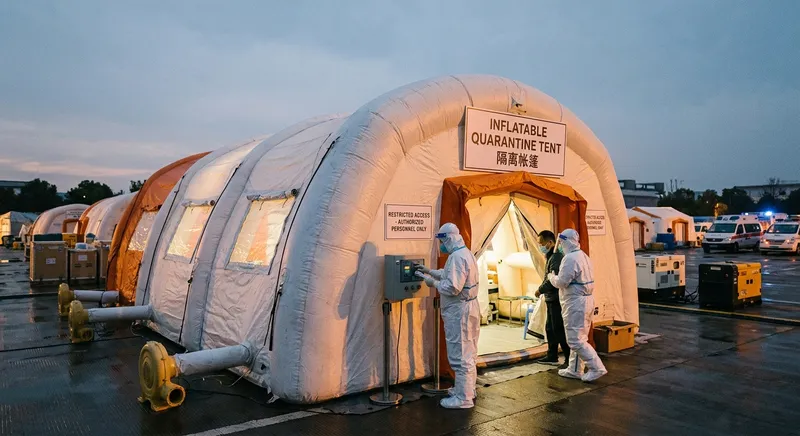
Inflatable quarantine tents offer a fast and efficient solution for isolating individuals during health emergencies. These tents can be rapidly deployed in various settings such as hospitals, airports, and temporary shelters, providing a controlled environment to prevent the spread of infectious diseases. Their portability makes them ideal for situations where conventional structures are unavailable or impractical.
Unlike traditional quarantine setups that require extensive construction and setup time, inflatable quarantine tents can be inflated within minutes using portable air pumps. This feature significantly reduces the response time during outbreaks, allowing healthcare workers to establish isolation zones quickly. Additionally, the materials used in these tents are typically durable and easy to disinfect, ensuring safety and hygiene standards are maintained.
Another notable advantage of inflatable quarantine tents is their flexibility in size and design. They can be customized to accommodate single patients or larger groups, depending on the needs of the situation. This adaptability makes them a valuable asset in managing varying scales of quarantine requirements efficiently.
Key Features and Design Considerations
When selecting an inflatable quarantine tent, it is essential to consider factors such as ventilation, structural stability, and ease of access. Proper ventilation systems are crucial to maintaining air quality and reducing the risk of airborne contamination inside the tent. Many designs incorporate HEPA filters and negative pressure systems to enhance infection control capabilities.
Structural integrity is another critical aspect, especially in environments exposed to harsh weather conditions. Quality inflatable tents are constructed from reinforced materials that resist punctures and can withstand wind and rain. The airtight seals and robust support frames help maintain the tent’s shape and function throughout extended use.
Convenience features such as multiple entry points, transparent windows for visibility, and integrated lighting also improve the usability of inflatable quarantine tents. Medical staff benefit from easy access, while patients can experience a less claustrophobic environment. These considerations play a significant role in the overall effectiveness of the quarantine setup.


