
Table of Contents
Car Top Tent for Varied Terrain
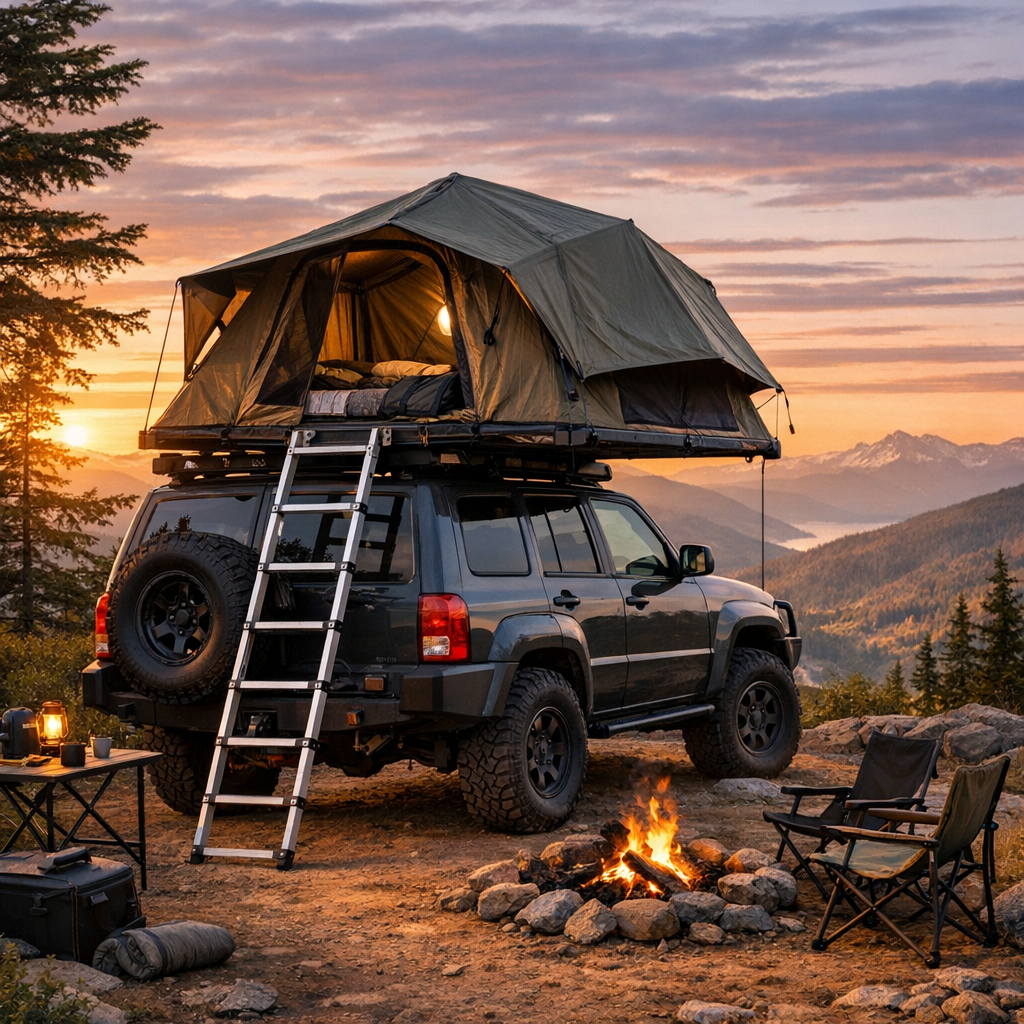
When planning to add car top tents to your event or promotional equipment lineup, one of the top considerations is how these tents perform across different environments. Not every car top tent is built to handle every kind of terrain or weather condition. For example, a tent perfect for a smooth city festival might falter on rugged off-road trips or coastal events with strong winds.
It’s important to assess the frame strength, fabric durability, and anchoring system of the tents you’re sourcing or recommending. Aluminum frames offer a good balance of weight and toughness, but steel might be necessary for heavy-duty off-road use despite the extra weight it adds. Look for fabrics with high water resistance and UV protection ratings to make sure the tents hold up under unpredictable weather.
Also, consider the size and mounting system. A tent that fits snugly across all models of vehicles used in your events reduces setup headaches and lowers damage risks. Some manufacturers offer adjustable mounting kits to accommodate different roof rack configurations, which simplifies logistics when you’re managing multiple vehicle types.
Building flexibility into the rental or resale inventory with options suited to both urban settings and rugged landscapes improves client satisfaction and reduces wear and tear. The extra upfront planning can save time and avoid costly repairs down the line.
Understanding Setup and Breakdown Time in Event Settings
From experience, one of the biggest pain points with car top tents is the setup and breakdown process. For event planners juggling tight schedules, choosing tents that balance protection and speed is crucial.
Some car top tents can be unfolded and ready to use in under five minutes, which is a godsend for one-person teams or rapid event turnovers. These designs often feature gas struts that assist in easily raising and lowering the tent, but they may come with a higher price tag or require a sturdier mounting system.
Conversely, tents that prioritize robust construction may take longer to set up but offer more security and longevity. A good middle ground often depends on the type of event: for multi-day festivals, spending extra time on setup results in a better guest experience; quick pop-up events benefit from tents that minimize assembly steps.
Keep in mind that training your staff or rental customers in proper setup techniques can dramatically reduce the time and risk of damage. Providing clear instructions, or even short tutorial videos, enhances the user experience and protects your investment.
Weighing Portability Against Comfort Features
Car top tents are popular because they provide convenient sleeping quarters on the go, but there’s always a trade-off between how portable they are and the comfort they offer. Two tents might look similar but offer very different experiences once set up.
Lighter tents mean less strain on vehicles and easier handling when loading and unloading. However, lighter fabrics and simpler frames might compromise insulation and weather resistance. If your clientele includes distributors catering to outdoor enthusiasts or adventure travelers, durability during extended use matters a lot.
On the other hand, tents with thicker mattress pads, ventilation windows with bug nets, and extended awnings enhance comfort but often increase weight and packed size. These can push the limits of smaller vehicles’ roof rack capacities.
Matching tents to the typical needs of your buyers requires knowing the end-user profile. Is the priority quick weekend getaways or longer expeditions requiring more robust shelter? Offering a variety of models allows planners and distributors to choose based on their event or customer focus.
Maintenance and Lifecycle Management of Car Top Tents
Over time, even the best car top tents experience wear—exposure to sun, rain, and constant folding take their toll. It’s vital to have a practical maintenance plan when managing these tents on a commercial level.
Routine checks for fabric tears, mold formation, or zippers failing prevent small issues from turning into costly replacements. Most manufacturers provide care guidelines, but tailoring your inspection process based on typical usage patterns is key.
Storage conditions matter a lot. Keeping tents in dry, shaded environments when not in use extends fabric life. If storing for long periods, removing mattresses and cushioning avoids mildew development.
Clients often overlook that the tent mounting hardware requires periodic inspection and tightening to avoid uneven stress on roof racks or vehicle roofs. Offering this kind of support or information as part of your service can set you apart.
Budgeting for eventual parts replacement or repairs rather than tent replacement helps control operating costs. A well-kept car top tent fleet maintains its appearance and functionality, supporting resale or rental demand.
Navigating Compliance and Safety Standards for Vehicle-Mounted Tents
Car top tents are mounted on vehicles, which means safety and regulatory compliance can’t be ignored. Different regions or countries have specific requirements that affect weight limitations, secure mounting practices, and even insurance considerations.
Some clients may not realize the importance of checking local road or camping regulations before deploying car top tents at events. Overloading a vehicle’s roof can impair handling and may void insurance coverage if an accident occurs.
Confirming the tent’s weight when packed and installed, the compatibility with the vehicle’s manufacturer roof load limits, and the availability of additional safety features—like reflective strips for night visibility—are practical steps to mitigate risks.
Distributors should ensure all tents come with detailed installation instructions and safety certificates. Offering guidance on obtaining any necessary permits or inspections for larger events can smooth the operational side for planners and buyers.
Understanding these boundaries protects your reputation and helps clients avoid fines or liability issues during their events.
Managing Inventory Variety and Client Expectations
It’s tempting to carry a broad range of car top tents, each promising different features and price points, but this can complicate storage, maintenance, and staff training. Focused inventory aligned with the types of events and customer profiles typically served tends to lead to better operational efficiency.
When buyers inquire about options, giving them clear, experience-based advice on what suits their needs wins trust – not just pushing the most expensive models. Sometimes the best tent for a client’s needs is not the most feature-packed but the one that works well in their usual event scenarios.
Gathering feedback continuously from rental clients or distribution partners helps refine the selection strategy. Certain tents may emerge as favorites for particular event types, guiding future purchasing.
Being transparent about trade-offs, like weight vs. comfort or setup speed vs. durability, reduces misunderstandings and complaint rates. The right advice often eases decision-making more than sharp sales pitches.
Managing expectations upfront smooths operations and keeps both buyers and end-users satisfied.


