
Table of Contents
Car Tent on Roof for Varied Terrains
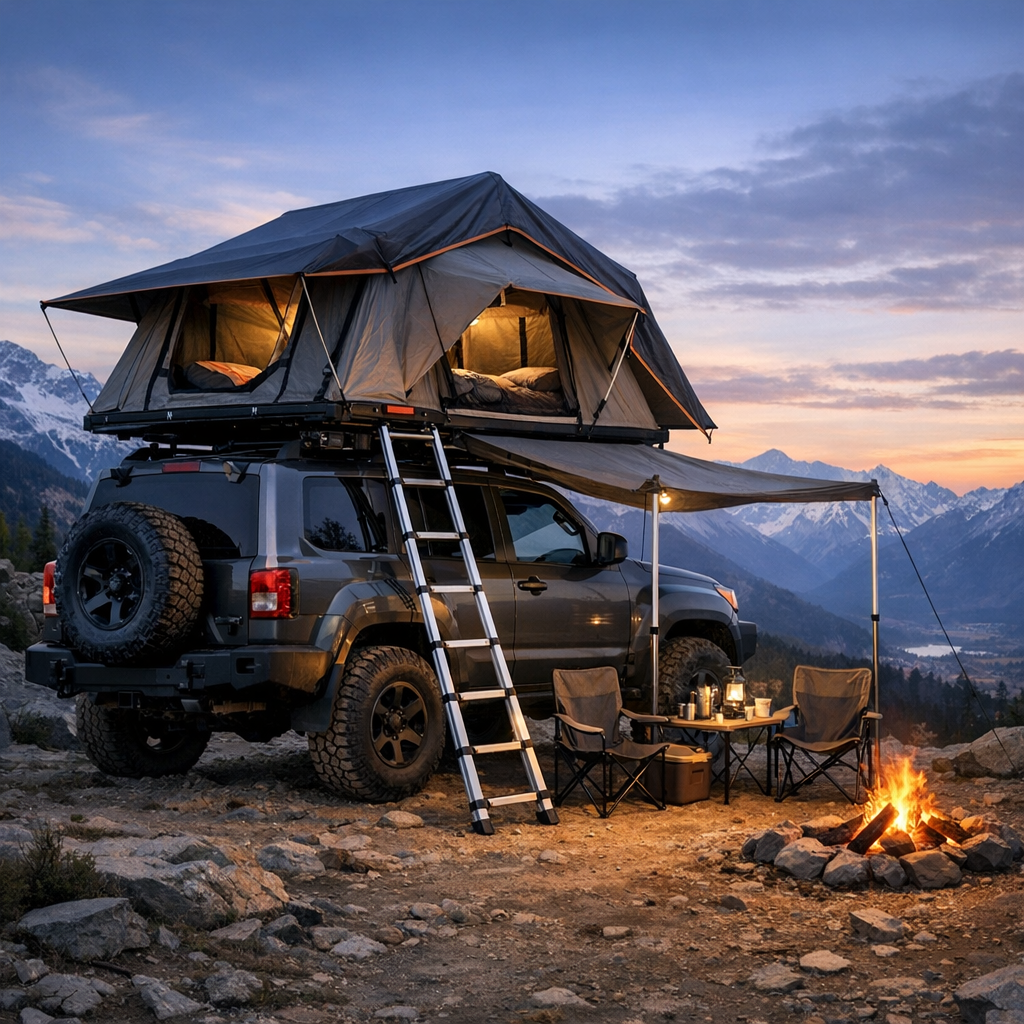
Selecting a car tent on roof involves more than picking a model that looks good or fits your vehicle. Consider the types of terrain where the tent will regularly be set up. For example, rough, uneven surfaces like gravel or rocky campsites demand tents with rugged, reinforced bases and sturdier mounting systems. Meanwhile, grassy or sandy areas might allow for simpler setups but also pose challenges such as stability in windy conditions.
There’s a balance to strike between weight, durability, and ease of installation. Lightweight tents are easier to handle but may sacrifice some durability in tougher environments. Heavier models tend to withstand wear but can be a hassle to mount or remove frequently, especially for solo operators.
The material of both the tent body and mounting hardware plays a pivotal role. Water-resistant fabrics with UV protection extend the tent’s life, particularly when frequently exposed to harsh sun or rain. Keep in mind the need to frequently inspect and maintain seals and zippers since they’re vulnerable points for wear.
Installation Challenges and Vehicle Compatibility
Not every car tent on roof easily fits all vehicles, even within the same category like SUVs or pickup trucks. The dimensions of your roof rack—or the need to add one—directly impacts the complexity of installation. Roof tents that require a permanent roof rack installation might not suit fleet vehicles or rented cars, due to time and cost constraints.
Some tents mount with clamping mechanisms that rely on crossbars. This setup requires precise measurements to avoid damage to the vehicle’s roof or interference with sunroofs and antennae. Testing different attachment points before finalizing a purchase can save headaches later.
Weight distribution is a key concern for vehicle safety, especially on high-center-of-gravity vehicles. A car tent on roof that’s too heavy or poorly balanced can affect handling and fuel efficiency. The mounting system should distribute weight evenly and lock securely to prevent movement during travel.
Space vs. Comfort: Size Trade-offs in Roof Car Tents
A considerably sized tent gives you additional sleeping area and comfort, especially for bigger groups or families. However, larger tents add weight and can increase wind resistance during driving, which impacts mileage. Make sure the tent folds down compactly and fits within your vehicle’s width constraints to avoid parking hassles or legal issues.
For professional event planners, it matters whether the tent allows quick assembly and disassembly. Extended setup times could interfere with tight schedules at outdoor venues. Tents with integrated ladders or automatic pop-up features streamline the process, but may also mean more mechanical parts vulnerable to failure.
Ventilation and insulation are other factors often overlooked. Good airflow reduces condensation, while insulated panels protect against colder nights. A car tent on roof that can’t manage temperature swings might cause discomfort, requiring additional gear like sleeping bags rated for specific climates.
Durability Under Event and Rental Demands
Tents used in rental fleets or for repeated event use undergo heavy wear. Continuous loading and unloading, combined with exposure to weather, tests the durability of all components — fabric, zippers, mounting hardware, and ladders.
Regular maintenance is crucial but understand that even quality tents need periodic replacement of worn-out parts. Materials that resist mold and mildew are valuable when storage is less than ideal or drying times between uses are short.
The tent’s warranty coverage and availability of replacement parts reflect its service life potential. In events where downtime means losing rental income or disrupting schedules, choosing tents backed by reliable maintenance support reduces headaches.
Transport and Storage Considerations
How you transport and store a car tent on roof affects its longevity and readiness for use. Larger, heavier tents demand more physical effort and secure transport arrangements to avoid damage. Even with durable shells, prolonged exposure to sun or trailers without cover can degrade materials.
For those managing multiple tents or large event setups, space needed for storage should be factored in early. Collapsible tents that pack into compact, weatherproof bags help but may require organized storage facilities to prevent misplacement or damage.
Caring for seals, fabric, and zippers before storage preserves the tent’s functionality. It’s practical to clean and air-dry the tent thoroughly after every use to avoid mold buildup. Some may think of rentability or turnover speed but neglect that a single neglected tear can sideline an entire tent.
Safety and Legal Considerations on the Road
Driving with a car tent on roof mounted presents unique safety and legal questions. Height clearance comes first—parking garages, overpasses, and bridge height limits can surprise you if the tent adds significant height to your vehicle.
Some local regulations specify maximum vehicle widths and protrusions. A tent that extends beyond these limits risks fines or being forced to remove it before proceeding. Planning routes with these constraints in mind avoids costly delays.
Safety also involves how the setup affects vehicle handling. Crosswind sensitivity increases with rooftop loads. Experienced drivers learn to adjust speeds and steering accordingly. Ensuring your tent is securely locked during travel, with no loose parts, minimizes risks of accidents or damage.
Loading or unloading the tent on uneven ground can also pose hazards. Stable footing for ladders or tent stands is a must to prevent injuries.
Thinking through these practical aspects ensures your investment in a car tent on roof matches operational needs without surprises. Understanding the trade-offs in weight, durability, installation, and legal limits leads to smarter choices suitable for both event professionals and distributors.


