
Table of Contents
Car Camping Tent for Your Event
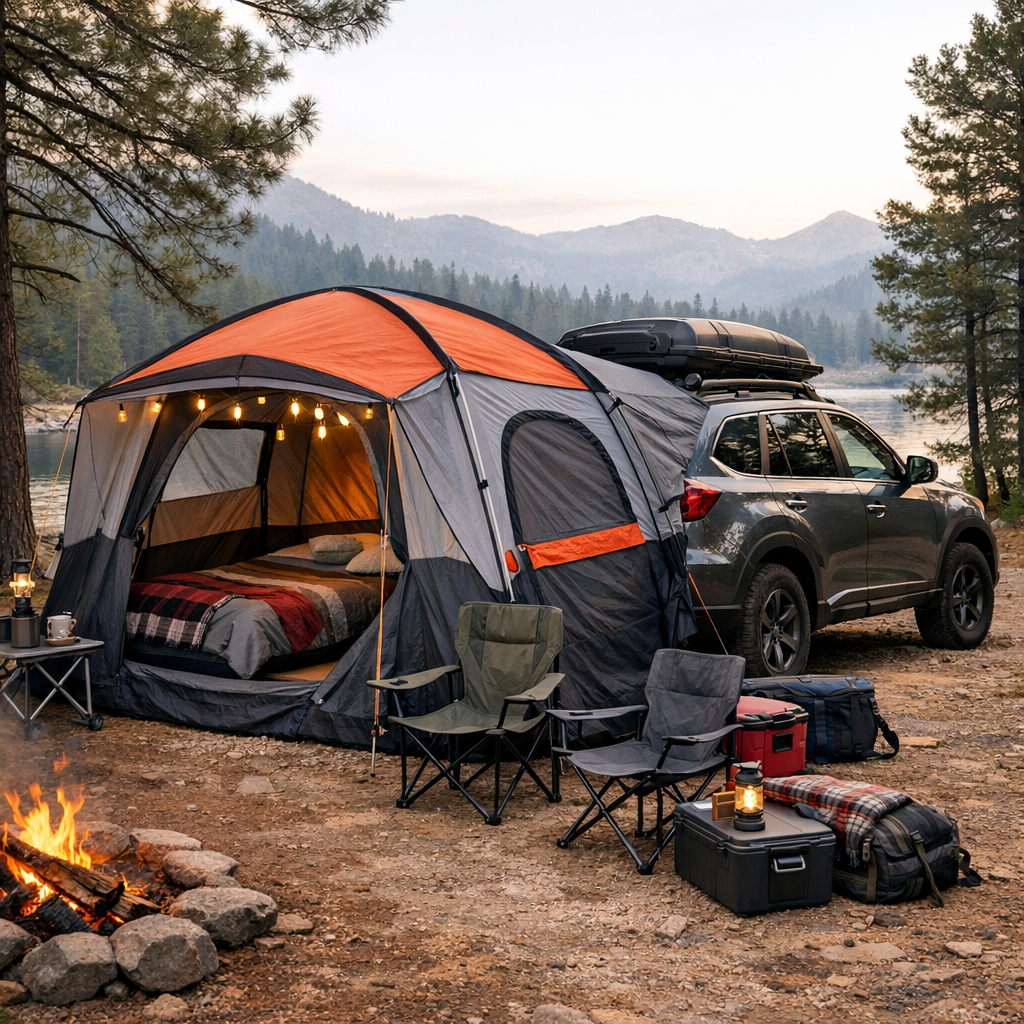
Selecting a car camping tent might seem straightforward, but when organizing events or handling multiple client requests, the details make all the difference. The ideal tent blends ease of transport with quick setup and durability. For professional buyers and event planners, understanding the typical requirements can avoid last-minute disappointments.
Car camping tents are often bulkier than backpacking tents, but that bulk translates into more comfort and space — features appreciated by attendees staying overnight. The challenge lies in balancing size with packability, especially if clients might load several tents in a vehicle. Opt for tents designed specifically for car camping since they lean toward roomier interiors and simpler assembly.
Material choice also plays a critical role. Polyester fabrics with high denier counts offer better durability and UV resistance, crucial for multi-day events in unpredictable weather. Avoid tents with too thin a fabric or flimsy poles; these may save on upfront cost but can result in expensive replacements after heavy use.
Setup Speed and Ease: What Matters Most on Site
Time is money, especially when setting up for large-scale events with tight schedules. Car camping tents that require complex pole threading or stake arrangements add unnecessary hours to installation. Look for tents that feature color-coded poles, clip attachments, or instant pop-up designs where appropriate.
One trade-off to consider is footprint versus setup complexity. Larger tents sometimes demand precise staking and additional guy lines, which slows down the process. If fast turnaround is the priority, a single-room tent with fewer poles often outperforms multi-room setups, although it offers less privacy.
Ventilation is another practical aspect. Events held in warm climates risk discomfort if tents lack mesh windows or vents. It’s tempting to set up the quickest or cheapest tents, but poor airflow can lead to attendee complaints or even health issues during heat waves. Choosing a tent with adjustable vents improves comfort without adding setup complexity.
Weatherproofing: How Tough Should Your Tent Be?
A car camping tent’s performance in the elements often determines whether your event is remembered fondly or resented. Rain protection needs to be solid. A full-coverage rainfly is preferable over a partial one, especially when wind-driven rain is possible. In many cases, a tent’s floor material and seams also demand attention since water ingress often happens from below.
Wind resistance can be overlooked, but it’s essential. Tents with sturdier poles, such as aluminum rather than fiberglass, hold up better under gusts. The shape matters too—dome or geodesic styles shed wind more effectively than cabin-style tents. Keep in mind that stronger poles and fabrics add weight, so there’s a natural compromise between robustness and transport ease.
Insulation is rarely prioritized for car camping tents unless winter events are expected. However, in colder conditions, tent design and the availability of blackout curtains or extra liners can improve comfort dramatically.
Space and Comfort: Defining Priorities for Your Guests
Professional event planners often wrestle with tent capacity ratings versus real-world usability. Manufacturers list tent occupancy by counting the bare minimum number of sleeping pads laid side by side—which can be misleading. For clients wanting overnight comfort, it’s better to size up.
A car camping tent isn’t just for sleeping. Attendees frequently use tents as a place to store gear, change clothes, or simply relax. Adequate headroom and vestibules for boots or equipment make a huge difference. Tents that lack sufficient vestibule space tend to cause clutter inside the sleeping area, which reduces livability.
Another factor to weigh is configuration flexibility. Some tents come with removable dividers, creating separate rooms or spaces. This feature is invaluable for events involving families or group bookings where privacy matters. However, those dividers can increase setup time and reduce airflow.
Durability vs. Cost: Balancing Budget Constraints with Longevity
Budget pressures are a reality for many buyers, but skimping on tent quality often backfires over time. High-quality car camping tents typically carry a higher upfront price but last longer during regular use, saving money down the line.
It’s worth closely examining warranties and manufacturer reputations. Some brands specialize in event-grade tents with reinforced seams, UV-treated fabrics, and break-resistant poles. These factors matter when tents are repeatedly packed, transported, and set up.
One compromise some planners make is buying a mix of tent types—premium models for VIPs or long stays, and simpler options for short-term or casual guests. Just be sure the cheaper tents meet minimal safety and weather resistance standards, or they’ll become liabilities.
Transport and Storage: Practical Tips for Handling Car Camping Tents
Car camping tents benefit from being transported in vehicles, but storage and handling still deserve attention. Bulkier tents require larger storage space and can be heavier to load and unload.
Look for tents with compact packing sizes and organized storage bags that include compartments for poles, stakes, and rainflies. This organization speeds up setup and teardown and reduces the chance of losing components—always a hassle in professional events.
Consider the durability of storage bags themselves; many come with fragile zippers or thin fabric prone to tearing under frequent use. Investing in repair kits or upgrade bags can be a small cost that pays off.
Also, factor in how you manage wet tents post-event. Drying tents thoroughly before storage prevents mildew and fabric damage. For event planners, setting designated drying areas is a practical tip that saves the tent’s lifespan considerably.
Picking the right car camping tent involves navigating practical trade-offs between size, weatherproofing, speed of setup, and cost. Understanding the realities of event use helps professional buyers and planners select tents that deliver dependable, comfortable shelter tailored to their clients’ needs.


