
Table of Contents
Blow Up Car Tent for Outdoor Events
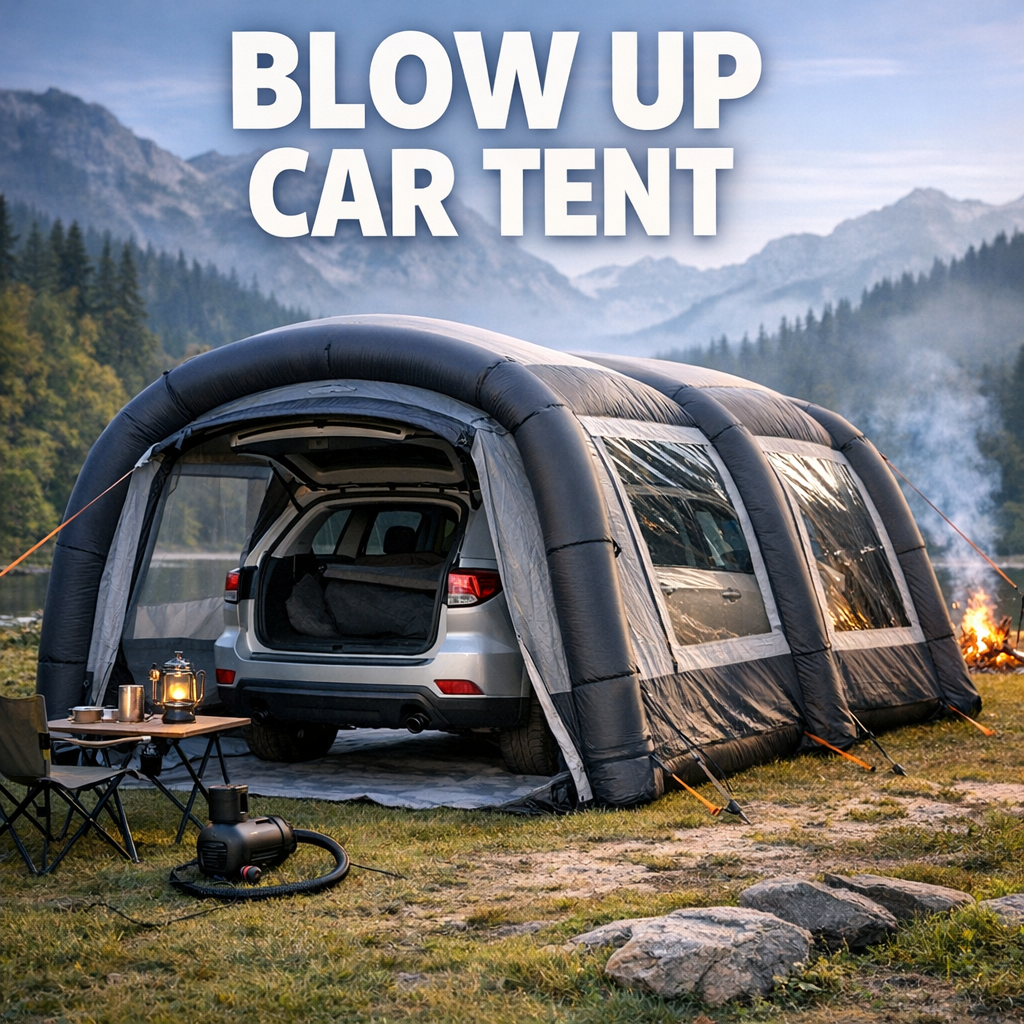
Selecting a blow up car tent isn’t as simple as picking the most eye-catching design or the lowest price. It’s crucial to consider the setup environment and how the tent will be used throughout an event. For example, if your event is in a windy, open area, stability will be a major factor. Blow up car tents rely on internal air pressure for structure, so they handle wind differently than traditional frame tents. While they generally hold up well, adding extra anchoring points might be necessary.
Size also influences your choice. Many clients expect a tent to comfortably shelter a single vehicle, but if you’re covering multiple cars or need extra space for product displays, the dimensions matter more than they might initially seem. Look at the internal height too. Some blow up car tents max out at a lower ceiling compared to rigid-frame options, which can limit vehicle height or restrict movement around the car. The flexibility and quick setup of blow up car tents often outweigh these limitations, but it pays to match specs with your exact event needs.
Durability also varies between models. Frequent rental operations demand tents built to withstand repeated inflation and deflation cycles without losing shape or sealing ability. When testing options, check the type of fabric and the quality of welds or seams. Waterproofing is often a baseline here, but the fabric’s resistance to wear and UV degradation might save you replacement costs in the long run.
Managing Logistics and Transportation with Inflatable Tents
Transporting and storing blow up car tents presents clear advantages and some challenges. Since they deflate into compact packages, these tents save considerable vehicle space compared to traditional metal or fiberglass frames. For event planners juggling multiple locations in a single day, this space efficiency can be a game changer.
However, the weight and bulk when packed shouldn’t be underestimated, particularly for larger models designed for trucks or multiple cars. Some clients assume all inflatable tents are lightweight. In practice, heavy-duty blow up car tents weigh more due to thicker fabric and additional reinforcements. This impacts how you move them around on-site, especially if your team doesn’t have dedicated equipment like dollies or carts.
Consider also the inflation equipment. Most blow up car tents come with electric or battery-powered pumps, which require power sources that might not be available at every venue. This factor is easy to overlook when planning. Carrying backup pumps or generators may be necessary, especially for outdoor settings lacking electricity access. Incorporating pump efficiency into the decision also matters; some models reach full inflation in minutes, while others take longer, affecting your setup timeline.
Weather Considerations and Site Conditions for Inflatable Car Tents
Blow up car tents handle rain differently compared to their steel-framed counterparts mainly because of their fabric and structure. The absence of poles means fewer potential leak points, but the fabric choice determines water resistance. Many blow up car tents feature waterproof polyester or nylon, often coated to improve performance. Still, heavy or prolonged rainfall can test these materials.
Wind can create a peculiar challenge. Inflatable tents must maintain air pressure to stay rigid. If punctures or leaks develop, the tent risks deflation if not noticed quickly. Experienced event buyers often bring repair kits or patch materials on-site as a precaution. The setup location plays a role as well—parking on uneven terrain can make it difficult to secure the tent properly, affecting air pressure retention and stability.
Sun exposure also degrades fabric integrity, especially if tents remain inflated for long stretches over multiple days. UV-resistant coatings come standard on higher-end blow up car tents, but cheaper models might fade or become brittle faster under constant sunlight. Planning for tent rotation or shaded storage between uses can extend service life without substantial extra cost.
Custom Branding Options and Practical Design Choices
Promotional potential is one reason so many event planners turn to blow up car tents. They provide large surface areas that double as mobile billboards. However, not all designs accommodate elaborate custom printing equally well.
Clients often want vibrant, full-color logos or patterns, but the fabric and printing method must work together to ensure durability. Screen printing and digital dye sublimation are common techniques, but the fabric choice again limits what’s feasible. For premium visibility and crisp graphics, polyester with a smooth finish tends to be best.
Paying attention to tent shape is critical when planning branded blow up car tent displays. Shapes that contour closely around the vehicle create a striking look but reduce space inside for product demos or customer interaction. More box-style tents offer better interior usability but can sacrifice branding visibility from certain angles.
Also, practical features like entrance flaps, windows, or floor mats factor into buyer decisions. Adding zippered doors can improve customer flow yet complicate the structure by introducing potential weak points. Outdoor events often require that the tent seals tightly against ground or vehicle surfaces to prevent drafts or debris entry. Each customization tip comes with operational trade-offs.
Maintenance and Longevity Insights for Blow Up Car Tents
Keeping a blow up car tent in good condition is sometimes overlooked during the buying process but proves essential when pushing tents through multiple event seasons.
Inflatable tents require regular inspection for tiny leaks, seam wear, or fabric degradation. Repairing small punctures early prevents bigger issues later and extends lifespan. Always clean tents after use, removing dirt and moisture completely before packing away to avoid mildew.
Some professional buyers underestimate the impact of temperature swings on inflatable material. Cold temps can cause fabric to stiffen and seams to shrink, while heat leads to expansion and extra stress on welds. Storing tents in climate-controlled environments when not in use helps reduce these stresses.
Battery life on electric pumps can dwindle over time, so it’s smart to rotate between multiple units or keep spares ready. Testing inflation time regularly ensures you’re not caught off-guard during fast-paced event setups.
Recognizing these care requirements up front will save disruption and unexpected replacement costs – an important consideration when your event equipment’s performance reflects on your company’s professionalism.


